
Best ERP sets the stage for this enthralling narrative, offering readers a glimpse into a story that is rich in detail with casual formal language style and brimming with originality from the outset.
As businesses strive to streamline their operations and make informed decisions, the role of ERP systems becomes increasingly vital. This guide delves into the world of ERP solutions, exploring their benefits, key features, and factors to consider when choosing the best fit for your business.
Overview of ERP systems
ERP stands for Enterprise Resource Planning, which is a type of software that helps businesses manage and integrate their core processes in real-time. The main purpose of ERP systems is to streamline operations, improve efficiency, and provide a centralized platform for data management across various departments within an organization.
Modules typically found in ERP software
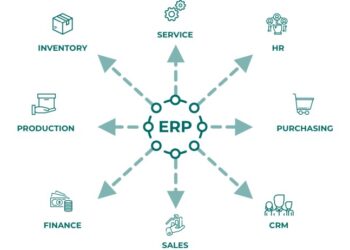
ERP software typically consists of various modules that cater to different aspects of business operations. Some common modules found in ERP systems include:
- Finance: Handles financial transactions, budgeting, payroll, and accounting processes.
- Human Resources: Manages employee data, payroll, benefits administration, and recruitment.
- Supply Chain Management: Tracks inventory, procurement, order processing, and logistics.
- Customer Relationship Management (CRM): Manages customer interactions, sales, marketing, and customer support.
- Manufacturing: Controls production processes, scheduling, quality control, and maintenance.
Benefits of implementing ERP
ERP systems offer a wide range of benefits to organizations, helping them streamline their operations, make better decisions, and save costs in the long run.
Improved Operational Efficiency
ERP systems centralize data and processes, eliminating the need for multiple systems and manual data entry. This integration leads to increased efficiency by providing real-time information across departments, reducing redundant tasks, and improving overall workflow.
Facilitate Better Decision-Making
By providing accurate, up-to-date information, ERP systems empower decision-makers with valuable insights into various aspects of the business. This enables them to make informed decisions quickly, leading to better outcomes and strategic planning.
Cost-Saving Advantages
Implementing ERP software can result in significant cost savings for organizations. By streamlining processes, reducing manual errors, and improving overall efficiency, companies can cut down on operational costs and increase profitability in the long term.
Key features to look for in the best ERP software
When selecting the best ERP software for your business, it is crucial to pay attention to certain key features that can greatly impact the efficiency and effectiveness of the system.
Scalability, Customization, and Integration Capabilities
- Scalability: Look for ERP software that can easily scale with your business as it grows. This ensures that the system remains relevant and effective in managing increasing data and operations.
- Customization: The ability to customize the ERP software to fit your specific business needs is essential. This allows you to tailor the system to your unique processes and requirements.
- Integration Capabilities: Choose ERP software that offers seamless integration with other essential tools and systems used in your organization. This ensures smooth data flow and communication across various departments.
User-Friendly Interfaces
A user-friendly interface is crucial in ERP systems as it directly impacts user adoption and productivity. Look for ERP software that offers intuitive navigation, clear layouts, and easy access to key functionalities. This helps in reducing training time, minimizing errors, and enhancing overall user satisfaction.
Real-Time Data Access and Analytics
Real-time data access and analytics are essential features in ERP software as they provide valuable insights for informed decision-making.
- Real-Time Data Access: Ensure the ERP software allows users to access real-time data instantly, enabling timely decision-making and quick responses to changing business conditions.
- Analytics Capabilities: Look for ERP software that offers robust analytics tools for in-depth data analysis and reporting. This helps in identifying trends, forecasting future outcomes, and optimizing business processes for improved efficiency and profitability.
Factors to consider when choosing an ERP solution
When selecting an ERP solution, there are several crucial factors that businesses need to consider to ensure they choose the right system that aligns with their specific needs and goals.
Size of the business and industry-specific requirements
- Business size: Evaluate whether the ERP system can cater to the size of your business in terms of users, transactions, and data volume.
- Industry-specific requirements: Look for an ERP solution that offers industry-specific functionalities to meet the unique needs and regulations of your sector.
Evaluate the vendor’s reputation, customer support, and training options
- Vendor reputation: Research the vendor's track record, customer reviews, and case studies to ensure they have a good reputation for delivering quality ERP solutions.
- Customer support: Assess the vendor's customer support services, response times, and availability to provide assistance when needed.
- Training options: Inquire about the training programs and resources offered by the vendor to ensure your team can effectively learn and utilize the ERP system.
Importance of scalability and future-proofing
- Scalability: Choose an ERP solution that can scale with your business growth and accommodate increasing data volumes and user requirements over time.
- Future-proofing: Consider the technology roadmap of the ERP system vendor to ensure they are continuously updating and innovating their software to stay relevant in the ever-changing business landscape.
Conclusion

In conclusion, selecting the best ERP software is a crucial decision that can transform the way your business operates. By understanding the key features and considerations Artikeld in this guide, you are better equipped to make an informed choice that aligns with your business goals and requirements.
Frequently Asked Questions
What does ERP stand for?
ERP stands for Enterprise Resource Planning.
How do ERP systems improve operational efficiency?
ERP systems streamline processes, reduce manual tasks, and provide real-time data for better decision-making.
What are some key features to look for in the best ERP software?
Essential features include scalability, customization options, integration capabilities, user-friendly interfaces, and real-time data access.
How should businesses evaluate ERP solutions?
Businesses should consider their size, industry-specific requirements, vendor reputation, customer support, training options, scalability, and future-proofing capabilities.