
Exploring the realm of ERP systems, this introduction sets the stage for a detailed exploration of finding the best ERP system available. From different types to key features and implementation practices, this guide covers it all in a captivating manner.
Diving deeper, we will delve into the nuances of ERP systems, shedding light on essential factors to consider and features to look for in your quest for the optimal solution.
Types of ERP systems

ERP systems come in various types to cater to different business needs and preferences. Let's explore the key features and differences between on-premise, cloud-based, and hybrid ERP solutions.
On-premise ERP systems
On-premise ERP systems involve the installation of software on the company's own hardware and servers. This type of system offers complete control over data and customization options. However, it requires a significant upfront investment and ongoing maintenance costs. On-premise ERP systems are best suited for large enterprises with complex operations that prioritize data security and customization.
Cloud-based ERP systems
Cloud-based ERP systems, on the other hand, are hosted on the vendor's servers and accessed through the internet. This type of system offers scalability, flexibility, and cost-effectiveness since companies pay a subscription fee based on usage. Cloud-based ERP systems are ideal for small to medium-sized businesses that require easy accessibility, regular updates, and scalability without the need for extensive IT resources.
Hybrid ERP systems
Hybrid ERP systems combine the features of both on-premise and cloud-based solutions. This allows businesses to keep sensitive data on-premise while utilizing the cloud for scalability and flexibility. Hybrid ERP systems offer the best of both worlds, enabling companies to customize their systems while taking advantage of cloud benefits.
This type of system is suitable for organizations that have specific security or compliance requirements but also want the benefits of cloud technology.
Factors to consider when choosing the best ERP system
When choosing the best ERP system for your business, there are several key factors to consider to ensure that the system meets your needs and helps drive growth and efficiency.
Scalability
One crucial factor to consider is scalability. A good ERP system should be able to grow and adapt with your business as it expands. This means that the system should be able to handle an increasing amount of data, users, and transactions without compromising performance.
Scalability ensures that your ERP system remains effective and efficient in meeting your business needs in the long run.
Integration capabilities with existing systems
Another important factor to consider is the integration capabilities of the ERP system with your existing systems. The ERP system should be able to seamlessly integrate with other software applications and systems that your business relies on, such as CRM systems, accounting software, or inventory management systems.
This integration ensures smooth data flow and communication between different systems, eliminating silos and improving overall business processes.
User-friendliness and customization options
Ease of use and customization options are also essential considerations when choosing an ERP system. The system should be user-friendly, with an intuitive interface that allows employees to easily navigate and use the system without extensive training. Additionally, the ERP system should offer customization options that allow you to tailor the system to meet your specific business requirements.
Customization ensures that the ERP system aligns with your unique processes and workflows, maximizing its effectiveness in driving business growth and success.
Key features to look for in an ERP system

When selecting an ERP system for your business, it is crucial to consider the key features that will help streamline your operations, improve efficiency, and drive growth. Here are some essential features to look for in an ERP system:
Financial Management
- Integrated accounting modules for managing financial transactions
- Budgeting and forecasting tools for financial planning
- Accounts payable and accounts receivable functionalities
- Financial reporting capabilities for real-time insights
Inventory Tracking
- Real-time tracking of inventory levels and stock movements
- Automated replenishment and reorder processes
- Batch and serial number tracking for product traceability
- Integration with supply chain management for seamless operations
Reporting Tools
- Customizable reports for analyzing key performance indicators
- Dashboard views for monitoring business metrics at a glance
- Ad-hoc reporting capabilities for on-demand data analysis
- Drill-down functionality for detailed insights into business processes
Data Security and Compliance Features
- Role-based access control to ensure data confidentiality
- Encryption of sensitive information to protect against unauthorized access
- Audit trails for tracking user activities and data changes
- Compliance with industry regulations such as GDPR, HIPAA, or SOX
Real-time Data Access and Analytics
- Instant access to up-to-date information for making informed decisions
- Advanced analytics tools for data visualization and trend analysis
- Predictive analytics for forecasting future trends and outcomes
- Integration with business intelligence tools for comprehensive insights
Implementation best practices for ERP systems

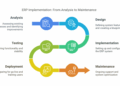
Implementing an ERP system can be a complex process, but with the right strategies and practices in place, organizations can ensure a successful deployment. Here, we will discuss the steps involved in planning an ERP system implementation, share strategies for training employees on using the new ERP system effectively, and address common challenges during ERP implementation and how to overcome them.
Planning an ERP system implementation
- Define clear objectives and goals for the ERP implementation.
- Conduct a thorough assessment of current processes and systems to identify areas for improvement.
- Establish a dedicated project team with key stakeholders from different departments.
- Create a detailed implementation plan with timelines, milestones, and responsibilities clearly Artikeld.
- Allocate resources effectively and ensure adequate budget for the implementation.
Training employees on using the new ERP system effectively
- Provide comprehensive training sessions for employees at all levels of the organization.
- Offer hands-on training with real-life scenarios to help employees understand the system better.
- Develop training materials and resources for ongoing support and reference.
- Encourage feedback and questions from employees to address any concerns or confusion.
- Consider offering refresher courses or advanced training for employees to enhance their skills and knowledge.
Common challenges during ERP implementation and how to overcome them
- Resistance to change: Communicate the benefits of the new ERP system and involve employees in the decision-making process to gain buy-in.
- Data migration issues: Conduct thorough data mapping and testing to ensure a smooth transition of data to the new system.
- Lack of top management support: Engage senior leadership early on and demonstrate the value of the ERP system to gain their support.
- Integration problems: Work closely with software vendors and IT teams to address any integration issues and ensure seamless connectivity between systems.
- Training gaps: Continuously assess training needs and provide ongoing support to address any knowledge gaps among employees.
Final Summary

In conclusion, this guide has equipped you with the necessary knowledge to navigate the complex world of ERP systems. Whether you're a seasoned professional or a newcomer to the field, understanding the intricacies of ERP systems is key to enhancing your business operations.
FAQ Overview
What are the different types of ERP systems?
ERP systems come in various forms such as on-premise, cloud-based, and hybrid solutions, each with its unique features and benefits.
How important is scalability when choosing an ERP system?
Scalability is crucial as it ensures that the ERP system can grow with your business and adapt to changing needs without major disruptions.
What key features should I look for in an ERP system?
Essential features include financial management tools, inventory tracking capabilities, robust reporting functions, and user-friendly customization options.
What are some best practices for implementing ERP systems?
Effective planning, thorough employee training, and proactive strategies to overcome implementation challenges are essential for successful ERP system deployment.