
In the fast-paced world of modern business operations, EDI ERP systems play a crucial role in streamlining processes and enhancing efficiency. This comprehensive guide delves into the intricate relationship between Electronic Data Interchange (EDI) and Enterprise Resource Planning (ERP), shedding light on how industries leverage these systems to stay competitive and innovative.
Get ready to unravel the fascinating realm of EDI ERP with insights that are both informative and captivating.
Introduction to EDI ERP
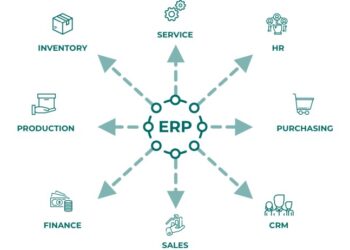
Electronic Data Interchange Enterprise Resource Planning (EDI ERP) is a system that combines the functionalities of Electronic Data Interchange (EDI) and Enterprise Resource Planning (ERP) to streamline business processes and enhance communication between trading partners.
Relationship between EDI and ERP
The integration of EDI with ERP allows for seamless exchange of business documents such as invoices, purchase orders, and shipping notices between different systems. This ensures accuracy, efficiency, and cost-effectiveness in business operations.
Industries using EDI ERP
- Retail: Retailers use EDI ERP systems to manage inventory, orders, and payments efficiently.
- Manufacturing: Manufacturers utilize EDI ERP to coordinate production schedules, track shipments, and manage supply chain activities.
- Logistics: Logistics companies rely on EDI ERP for real-time visibility into shipments, route optimization, and customer communication.
Benefits of integrating EDI with ERP systems
- Improved data accuracy: By automating data exchange, EDI ERP systems reduce errors associated with manual data entry.
- Enhanced efficiency: Streamlining business processes through EDI ERP leads to faster transaction processing and better decision-making.
- Cost savings: The automation and optimization of workflows result in reduced operational costs and improved overall profitability.
Key Features of EDI ERP

Electronic Data Interchange (EDI) Enterprise Resource Planning (ERP) systems offer a range of essential features that streamline business processes and enhance efficiency.
Real-Time Data Exchange
In an EDI ERP setup, real-time data exchange allows for instant communication and data transfer between different departments or external partners. This feature ensures that everyone involved has access to the most up-to-date information, leading to quicker decision-making and improved collaboration.
Automation in Processes
- Automated Workflows: EDI ERP systems automate repetitive tasks and workflows, reducing manual errors and increasing overall productivity.
- Order Processing: Automation in order processing helps speed up transactions, from receiving orders to invoicing, leading to faster fulfillment and improved customer satisfaction.
- Inventory Management: Automation in inventory management ensures accurate tracking of stock levels, minimizing stockouts and overstock situations.
Security Measures
EDI ERP systems implement robust security measures to protect sensitive data and ensure compliance with data privacy regulations.
Encryption: Data transmitted through EDI ERP systems is encrypted to prevent unauthorized access and protect information integrity.
Access Controls: Role-based access controls restrict data access to authorized personnel only, reducing the risk of data breaches.
Audit Trails: Audit trails track all interactions within the system, providing visibility into data changes and helping to identify any suspicious activities.
Implementation of EDI ERP

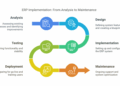
Implementing an EDI ERP system involves several steps to ensure a successful integration of electronic data interchange with enterprise resource planning.
Steps in Implementing an EDI ERP System
- Assessment of current processes and systems to identify integration points
- Selection of appropriate EDI ERP solution based on business requirements
- Integration of EDI with ERP system through configuration and testing
- Training employees on using the new system effectively
- Monitoring and continuous improvement of the integrated system
Comparison between Cloud-based and On-premise EDI ERP Solutions
Cloud-based EDI ERP solutions offer scalability, flexibility, and cost-effectiveness, while on-premise solutions provide greater control and customization options.
Challenges Organizations May Face during Implementation of EDI ERP
- Resistance to change from employees accustomed to manual processes
- Data security concerns when integrating external systems with internal ERP
- Technical complexities in system integration and data mapping
- Ensuring compatibility with existing infrastructure and software
Best Practices for a Successful EDI ERP Implementation
- Establish clear goals and objectives for the integration project
- Engage stakeholders across departments to ensure alignment and support
- Conduct thorough testing and validation of the integrated system before full deployment
- Provide comprehensive training programs for employees to facilitate adoption
- Maintain open communication channels for feedback and continuous improvement
Integration with Supply Chain Management
Integrating EDI ERP with supply chain management systems is crucial for streamlining operations and enhancing overall efficiency.
Enhanced Visibility and Collaboration
When EDI ERP is integrated with supply chain management, it provides real-time visibility into the entire supply chain process. This visibility allows for better decision-making, improved communication, and enhanced collaboration among all stakeholders.
Impact on Inventory Management
EDI ERP integration has a significant impact on inventory management by ensuring accurate and timely data exchange. This leads to optimized inventory levels, reduced carrying costs, and improved inventory turnover rates.
Optimization of Supply Chain Processes
EDI ERP optimizes supply chain processes by automating tasks, reducing manual errors, and increasing operational efficiency. For example, electronic order processing, invoicing, and shipment notifications can all be streamlined through EDI ERP integration, leading to faster order fulfillment and improved customer satisfaction.
Future Trends in EDI ERP

In the rapidly evolving landscape of technology, there are several emerging trends that are set to shape the future of EDI ERP systems. These trends are poised to revolutionize the way businesses operate and manage their processes.
Impact of Emerging Technologies
- One of the key emerging technologies influencing the evolution of EDI ERP systems is blockchain. Blockchain technology offers enhanced security, transparency, and traceability in supply chain transactions, which can greatly benefit EDI processes.
- Another significant trend is the adoption of cloud-based EDI ERP solutions. Cloud technology allows for greater flexibility, scalability, and accessibility, enabling businesses to streamline their operations more effectively.
AI and Machine Learning in EDI ERP
- The potential impact of AI and machine learning on EDI ERP functionalities is immense. These technologies can automate repetitive tasks, improve data accuracy, and provide valuable insights for decision-making, ultimately enhancing the overall efficiency of EDI processes.
- AI-powered algorithms can analyze vast amounts of data to identify patterns and trends, enabling businesses to optimize their supply chain management and enhance collaboration with partners.
IoT Integration for Enhanced Capabilities
- Integrating IoT devices into EDI ERP systems can offer real-time visibility and monitoring of inventory, assets, and shipments. This connectivity enables proactive decision-making, predictive maintenance, and improved communication across the supply chain.
- By leveraging IoT data, businesses can enhance their forecasting accuracy, minimize stockouts, and optimize resource utilization, leading to greater operational efficiency and customer satisfaction.
Future Roadmap for EDI ERP Systems
- The future roadmap for EDI ERP systems involves continued innovation and integration with advanced technologies such as AI, blockchain, IoT, and predictive analytics. These advancements will drive greater automation, optimization, and intelligence in EDI processes.
- Businesses are expected to focus on enhancing interoperability, data security, and collaboration with trading partners to create more agile and resilient supply chains. The emphasis will be on leveraging data-driven insights to drive strategic decision-making and competitive advantage in the market.
Closure

As we conclude this exploration of EDI ERP systems, it becomes evident that these technological integrations are not just tools but strategic assets for businesses looking to stay ahead in today's dynamic market landscape. From enhanced supply chain management to future-forward trends, the potential of EDI ERP systems is boundless, offering a glimpse into a future where efficiency and innovation go hand in hand.
Essential FAQs
How do EDI ERP systems benefit businesses?
EDI ERP systems streamline processes, enhance data accuracy, improve collaboration, and provide real-time insights for informed decision-making.
What industries commonly use EDI ERP systems?
Industries such as retail, manufacturing, logistics, healthcare, and automotive sectors frequently leverage EDI ERP systems to optimize operations.
What are the security measures in place for EDI ERP systems?
EDI ERP systems employ encryption protocols, user authentication, data backup mechanisms, and regular security audits to ensure data integrity and confidentiality.