
Enterprise resource planning solutions lay the foundation for efficient business operations, streamlining processes, and enhancing productivity. From defining the concept to exploring key features and implementation strategies, this guide delves into the intricacies of ERP solutions with clarity and depth.
As we navigate through the various aspects of ERP solutions, readers will gain valuable insights into the evolution of these systems and their significance across different industries.
Introduction to Enterprise Resource Planning Solutions

Enterprise Resource Planning (ERP) solutions refer to integrated software systems that help organizations manage their core business processes in real-time. These solutions provide a centralized database that enables different departments to access and share information, leading to improved efficiency and decision-making.
Purpose and Benefits of Implementing ERP Solutions
- Streamlined processes: ERP solutions automate repetitive tasks, reducing manual errors and saving time.
- Improved data visibility: By centralizing data, ERP systems provide real-time insights to help organizations make informed decisions.
- Enhanced collaboration: Different departments can access the same information, fostering collaboration and communication within the organization.
Examples of Industries Using ERP Solutions
- Manufacturing: Companies in the manufacturing industry use ERP solutions to manage production, inventory, and supply chain processes.
- Retail: Retailers utilize ERP systems to track sales, manage inventory, and optimize customer relationship management.
- Finance: Financial institutions rely on ERP solutions for financial reporting, compliance, and risk management.
Evolution of ERP Solutions
ERP solutions have evolved from basic systems handling finance and accounting to comprehensive platforms integrating various business functions. Modern ERP systems now offer features such as cloud-based deployment, mobile access, and advanced analytics to meet the changing needs of organizations in a digital age.
Key Features of Enterprise Resource Planning Solutions

Enterprise Resource Planning (ERP) solutions are comprehensive software systems that integrate various business functions and processes into a single platform. Some key features of ERP solutions include:
Essential Features of ERP Solutions
- Centralized Database: ERP systems store all data in a centralized database, ensuring consistency and accuracy across different departments.
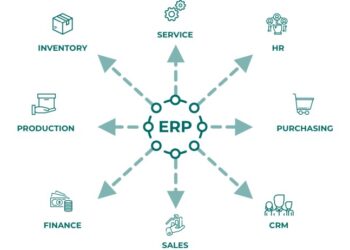
- Integrated Modules: ERP solutions come with integrated modules for finance, human resources, inventory management, supply chain, and more, streamlining operations.
- Real-Time Data: ERP systems provide real-time data updates, enabling timely decision-making and improved efficiency.
- Reporting and Analytics: ERP solutions offer robust reporting and analytics tools for performance monitoring and strategic planning.
- Scalability: ERP systems are scalable, allowing businesses to expand and adapt to changing needs without major disruptions.
Cloud-Based vs. On-Premise Solutions
- Cloud-Based ERP: Cloud-based ERP solutions are hosted on remote servers and accessed through the internet, offering flexibility, scalability, and cost-effectiveness.
- On-Premise ERP: On-premise ERP solutions are installed locally on company servers, providing greater control over data security and customization options.
- Comparison: Cloud-based ERP solutions are often preferred for their ease of implementation, lower upfront costs, and accessibility from anywhere, while on-premise solutions offer more customization and data control.
Customization Options in ERP Systems
- ERP systems offer customization options to tailor the software to specific business needs, including modifying workflows, adding new modules, and integrating third-party applications.
- Customization allows businesses to optimize processes, improve productivity, and enhance user experience within the ERP system.
Integration of Business Functions
- ERP solutions integrate different business functions such as finance, sales, marketing, human resources, and production, enabling seamless communication and collaboration across departments.
- Integration streamlines processes, eliminates data silos, and improves overall efficiency and decision-making within the organization.
Implementation of Enterprise Resource Planning Solutions
Implementing Enterprise Resource Planning (ERP) solutions involves several key steps that are essential for a successful integration within an organization. It is crucial to carefully plan and execute each phase to ensure a smooth transition and maximize the benefits of ERP software.
Steps involved in implementing ERP solutions:
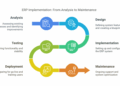
- Planning: Define objectives, set goals, and create a roadmap for implementation.
- Selection: Choose the right ERP system that aligns with your business needs and goals.
- Design: Customize the ERP system to fit the specific requirements of your organization.
- Development: Configure the system, migrate data, and integrate with existing software.
- Testing: Conduct thorough testing to identify and address any issues or bugs.
- Training: Provide comprehensive training to users to ensure they can effectively use the new system.
- Go-live: Launch the ERP system and monitor its performance post-implementation.
Common challenges faced during ERP implementation:
- Resistance to change from employees accustomed to existing processes.
- Data migration issues leading to loss or corruption of important information.
- Budget overruns and delays in project timelines.
- Lack of top management support and involvement in the implementation process.
Tips for successful ERP implementation:
- Engage key stakeholders from different departments throughout the process.
- Communicate openly and regularly with employees to address concerns and ensure buy-in.
- Set realistic expectations and milestones to track progress effectively.
- Invest in training and change management to facilitate a smooth transition.
Role of training and change management in ERP implementation:
Training plays a vital role in ensuring that employees understand how to use the new ERP system effectively. It helps in improving user adoption and maximizing the benefits of the software. Change management, on the other hand, focuses on preparing employees for the organizational changes that come with implementing ERP solutions.
It involves communicating the reasons for change, addressing resistance, and providing support to employees throughout the transition process.
Security and Data Management in Enterprise Resource Planning Solutions

When it comes to Enterprise Resource Planning (ERP) solutions, security and data management play a crucial role in ensuring the protection and integrity of valuable business information. Let's delve into the key aspects of security measures, data migration processes, data backup strategies, and the role of data analytics within ERP systems.
Security Measures in ERP Systems
- Implementing role-based access control to restrict unauthorized access to sensitive data.
- Utilizing encryption techniques to secure data both at rest and in transit.
- Regularly updating security patches and software to address vulnerabilities.
- Conducting security audits and assessments to identify potential risks and weaknesses.
Data Migration Processes in ERP Solutions
- Evaluating existing data infrastructure to determine compatibility with the ERP system.
- Mapping data fields and cleaning up redundant or outdated information for a smooth transition.
- Conducting data validation tests to ensure accuracy and completeness post-migration.
Strategies for Data Backup and Disaster Recovery
- Setting up automated regular backups to secure data against accidental loss or corruption.
- Utilizing cloud-based backup solutions for off-site storage and easy recovery in case of disasters.
- Developing a comprehensive disaster recovery plan with predefined steps and roles to minimize downtime.
Role of Data Analytics in ERP Solutions
- Utilizing data analytics tools to gain insights into business operations and performance metrics.
- Identifying trends, patterns, and anomalies in data for informed decision-making and strategic planning.
- Integrating predictive analytics to forecast future trends and optimize resource allocation.
Last Recap
In conclusion, enterprise resource planning solutions offer a transformative approach to managing business resources effectively. By embracing the features, implementation steps, and security measures discussed in this guide, organizations can optimize their operations and drive growth in a dynamic business landscape.
Questions and Answers
What are the key benefits of implementing ERP solutions?
ERP solutions help streamline business processes, improve data accuracy, enhance decision-making, and boost overall efficiency.
How do cloud-based ERP solutions differ from on-premise solutions?
Cloud-based ERP solutions are hosted on remote servers and accessed through the internet, offering scalability and flexibility, while on-premise solutions are installed locally on a company's hardware.
What challenges are commonly faced during ERP implementation?
Common challenges include resistance to change, data migration issues, inadequate training, and integration complexities with existing systems.
What role does data analytics play within ERP solutions?
Data analytics within ERP solutions enables organizations to derive valuable insights from their data, drive informed decision-making, and improve operational efficiency.