
Delve into the world of Epicor 10, a robust software solution designed to revolutionize business operations. From its powerful features to its wide range of functionalities, Epicor 10 offers a comprehensive toolkit for companies looking to enhance efficiency and drive growth.
Let's embark on a journey to uncover the potential of Epicor 10 in transforming businesses across various industries.
In the following paragraphs, we will explore key modules, implementation strategies, customization options, and upgrading considerations for Epicor 10, providing valuable insights for both existing users and those considering implementing this innovative solution.
Introduction to Epicor 10
Epicor 10 is a robust and comprehensive enterprise resource planning (ERP) software that caters to the diverse needs of businesses across various industries. It offers a wide range of features and functionalities designed to streamline operations, improve efficiency, and drive growth.
Features and Functionalities
- Advanced financial management capabilities
- Inventory management and optimization tools
- Supply chain management for improved visibility and control
- Customer relationship management (CRM) for enhanced customer interactions
- Business intelligence and analytics for data-driven decision-making
Common Industries Using Epicor 10
- Manufacturing: Helps in managing production processes, inventory, and supply chain logistics efficiently.
- Retail: Improves inventory management, customer interactions, and sales tracking.
- Distribution: Streamlines order fulfillment, inventory control, and warehouse management.
- Services: Enhances project management, resource allocation, and billing processes.
Benefits of Implementing Epicor 10
- Increased efficiency and productivity through automation and streamlined processes.
- Enhanced visibility into business operations for better decision-making.
- Improved customer satisfaction and retention through personalized interactions.
- Scalability to support business growth and expansion seamlessly.
- Cost savings through optimized inventory management and resource utilization.
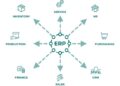
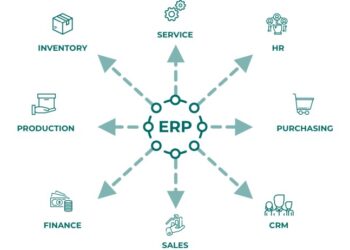
Key Modules of Epicor 10
Epicor 10 offers a range of key modules that cater to various aspects of business operations, providing a comprehensive solution for organizations looking to streamline their processes and improve efficiency.
Financial Management
Financial Management module in Epicor 10 enables businesses to manage their financial transactions, budgets, and forecasting with ease. It allows for accurate tracking of expenses, revenue, and financial performance, providing insights for strategic decision-making.
Supply Chain Management
The Supply Chain Management module helps businesses optimize their supply chain processes, from procurement to distribution. It facilitates better inventory management, demand planning, and supplier relationship management, leading to cost savings and improved delivery times.
Manufacturing Execution System
The Manufacturing Execution System module in Epicor 10 focuses on improving manufacturing operations by providing real-time visibility into production processes. It helps businesses monitor shop floor activities, track work orders, and ensure quality control, resulting in increased productivity and reduced downtime.
Customer Relationship Management
The Customer Relationship Management module allows businesses to effectively manage customer interactions, sales processes, and marketing campaigns. It helps in building strong customer relationships, increasing customer satisfaction, and driving sales growth through targeted marketing initiatives.
Human Capital Management
The Human Capital Management module in Epicor 10 assists businesses in managing their workforce efficiently. It includes features for recruitment, training, performance evaluation, and payroll, ensuring that businesses have the right talent in place to achieve their strategic objectives.
Business Intelligence and Analytics
The Business Intelligence and Analytics module provide businesses with valuable insights by analyzing data from various sources within the organization. It helps in identifying trends, forecasting future performance, and making data-driven decisions to drive business growth and competitiveness.
Implementation of Epicor 10

Implementing Epicor 10 in an organization is a crucial process that requires careful planning, execution, and monitoring to ensure a successful transition. It involves several steps and considerations to streamline operations and maximize the benefits of the ERP system.
Steps Involved in Implementing Epicor 10
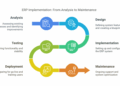
Implementing Epicor 10 involves the following key steps:
- 1. Planning and Preparation: Define project scope, objectives, and timelines. Allocate resources and form a dedicated implementation team.
- 2. System Configuration: Customize Epicor 10 to align with the organization's processes and requirements. Set up modules and workflows accordingly.
- 3. Data Migration: Transfer existing data into Epicor 10, ensuring accuracy and integrity. Cleanse data and eliminate duplicates for optimal performance.
- 4. Training and Testing: Conduct comprehensive training sessions for end-users to familiarize them with the system. Perform rigorous testing to identify and resolve any issues.
- 5. Go-Live and Support: Launch Epicor 10 across the organization, provide ongoing support, and address any post-implementation challenges promptly.
Best Practices for a Successful Epicor 10 Implementation
For a successful implementation of Epicor 10, organizations should consider the following best practices:
- 1. Strong Leadership and Sponsorship: Ensure executive buy-in and active involvement throughout the implementation process.
- 2. Clear Communication: Maintain transparent communication with stakeholders at all levels to manage expectations and address concerns effectively.
- 3. Change Management: Implement robust change management strategies to facilitate smooth adoption of Epicor 10 within the organization.
- 4. Continuous Training: Provide ongoing training and support to users to maximize system utilization and efficiency.
- 5. Regular Evaluation: Monitor key performance indicators and conduct periodic reviews to assess the impact of Epicor 10 on business operations.
Challenges in Epicor 10 Implementation and How to Overcome Them
During the implementation of Epicor 10, organizations may encounter various challenges, including:
- 1. Resistance to Change: Address resistance by highlighting the benefits of Epicor 10 and involving employees in the process.
- 2. Data Quality Issues: Mitigate data quality issues through thorough data cleansing and validation processes.
- 3. Integration Complexity: Streamline integration with existing systems by leveraging Epicor 10's compatibility and customization capabilities.
- 4. Resource Constraints: Allocate adequate resources and expertise to ensure a successful implementation within the defined budget and timeline.
- 5. Scalability Challenges: Plan for future scalability by designing a flexible implementation strategy that accommodates growth and evolving business needs.
Customization and Integration with Epicor 10
Customizing and integrating Epicor 10 with other software systems is crucial for businesses to tailor the ERP solution to their specific needs and ensure seamless operations. Let's delve into the options available for customization and the process of integration with Epicor 10.
Customization Options for Epicor 10
- Personalization Workbench: Epicor 10 offers a Personalization Workbench tool that allows users to customize dashboards, forms, and reports without the need for coding knowledge.
- BPMs (Business Process Management): Businesses can create custom BPMs to automate workflows, enforce business rules, and enhance system functionality.
- Data Customization: Epicor 10 enables users to modify data fields, add custom fields, and define unique data validations to align the system with specific business requirements.
Integration Process with Other Software Systems
- API Integration: Epicor 10 provides robust APIs that facilitate seamless integration with third-party applications, allowing for data synchronization and real-time communication.
- Epicor Service Connect: Businesses can leverage Epicor Service Connect to create custom integrations and automate data exchange between Epicor 10 and external systems.
- EDI (Electronic Data Interchange) Integration: Epicor 10 supports EDI capabilities for electronic communication with suppliers, customers, and partners, streamlining business processes.
Successful Customization and Integration Scenarios
- Customized Reporting: A manufacturing company customized reporting templates in Epicor 10 to generate real-time production reports tailored to their specific KPIs, resulting in improved decision-making.
- CRM Integration: A retail business integrated Epicor 10 with a CRM system to synchronize customer data, enhance sales tracking, and provide a unified view of customer interactions across platforms.
- eCommerce Integration: An e-commerce retailer successfully integrated Epicor 10 with their online store, enabling automatic order processing, inventory updates, and seamless customer experience.
Upgrading to Epicor 10
Upgrading to Epicor 10 is a crucial step for organizations looking to leverage the latest features and enhancements offered by the platform. It involves a series of considerations and steps to ensure a smooth transition and maximize the benefits of the upgrade.
Considerations and Steps
Before initiating the upgrade process, it is essential to assess the current system, data, and customizations to determine compatibility with Epicor 10. Here are the key considerations and steps involved:
- Evaluate existing hardware and software requirements for Epicor 10 compatibility.
- Backup all data and configurations to prevent any loss during the upgrade.
- Review customizations and integrations to identify any potential conflicts or issues.
- Engage with Epicor experts or consultants to create a detailed upgrade plan and timeline.
- Conduct thorough testing in a controlled environment before implementing the upgrade in the production environment.
Benefits of Upgrading
Upgrading to Epicor 10 offers several benefits for existing users, including:
- Enhanced user interface and improved user experience for increased efficiency.
- Access to advanced functionalities and features that boost productivity and streamline operations.
- Improved performance and scalability to support business growth and expansion.
- Regular updates and support from Epicor to ensure system reliability and security.
Tips for a Smooth Transition
To ensure a smooth transition during the upgrade process, consider the following tips:
- Communicate effectively with all stakeholders to manage expectations and address concerns.
- Provide adequate training and resources to users to familiarize them with the new features and functionalities of Epicor 10.
- Monitor the upgrade progress closely and address any issues or challenges promptly to minimize downtime.
- Create a rollback plan in case of any unforeseen complications during the upgrade process.
Epilogue
As we conclude our exploration of Epicor 10, it becomes evident that this software holds immense potential for optimizing business processes and achieving sustainable growth. By harnessing the power of Epicor 10, organizations can streamline operations, drive innovation, and stay ahead in today's competitive landscape.
Embrace the future of business management with Epicor 10 and unlock new possibilities for success.
Q&A
What industries commonly use Epicor 10?
Epicor 10 is frequently utilized in manufacturing, distribution, retail, and services industries.
Can Epicor 10 be customized to meet specific business needs?
Yes, Epicor 10 offers options for customization to tailor the software to unique business requirements.
What are the benefits of upgrading to Epicor 10?
Upgrading to Epicor 10 can result in improved functionality, enhanced features, and better overall performance for existing users.