
The Epicor ERP system opens up a world of possibilities for businesses, revolutionizing the way they operate and manage their processes. This comprehensive system is a game-changer in the modern business landscape, offering a myriad of features and functionalities that can propel organizations to new heights of success.
Let's delve into the intricacies of the Epicor ERP system and uncover how it can transform businesses with its innovative solutions.
Introduction to Epicor ERP System

An Enterprise Resource Planning (ERP) system is a software solution that integrates and manages a company's core business processes in real-time. This includes functions such as accounting, human resources, inventory management, supply chain, and more. ERP systems streamline operations, improve efficiency, and provide valuable insights to help businesses make informed decisions.
Importance of ERP Systems in Modern Businesses
ERP systems are crucial in modern businesses as they centralize data, standardize processes, and facilitate communication across departments. By providing a unified view of operations, ERP systems enable companies to optimize resources, reduce costs, and enhance productivity.
Key Features of the Epicor ERP System
- Integrated modules for finance, manufacturing, distribution, and more
- Real-time reporting and analytics for data-driven decision-making
- Scalable and customizable to meet the unique needs of each business
- Mobile capabilities for remote access and flexibility
Industries Using Epicor ERP
Epicor ERP is commonly used in industries such as manufacturing, distribution, retail, automotive, and aerospace. Its robust features and industry-specific solutions make it a popular choice for businesses looking to streamline operations and drive growth.
Key Modules and Functionality
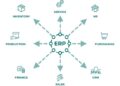
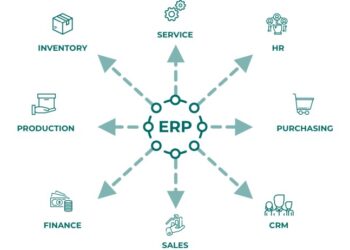
Epicor ERP system offers a wide range of core modules that are essential for optimizing business operations and enhancing overall efficiency. These modules are designed to streamline various processes and provide comprehensive solutions to meet the needs of different industries.
Financial Management
Financial Management module in Epicor ERP enables businesses to automate financial processes, manage budgets, track expenses, and generate accurate financial reports. This helps in improving financial transparency and decision-making.
Inventory Management
The Inventory Management module allows businesses to efficiently track and manage inventory levels, optimize stock control, and automate replenishment processes. This results in minimizing stockouts, reducing carrying costs, and improving order fulfillment.
Customer Relationship Management (CRM)
CRM module helps businesses in managing customer interactions, tracking sales leads, and improving customer satisfaction. It integrates sales, marketing, and customer service processes to enhance customer engagement and retention.
Supply Chain Management
Supply Chain Management module in Epicor ERP facilitates effective planning, procurement, and execution of supply chain activities. It helps in optimizing inventory levels, reducing lead times, and enhancing collaboration with suppliers.
Manufacturing Execution System (MES)
MES module enables manufacturers to monitor and control production processes in real-time, improve shop floor efficiency, and ensure quality control. It integrates with other modules for seamless production operations.
Human Capital Management (HCM)
HCM module assists businesses in managing employee data, payroll, benefits administration, and workforce planning. It helps in optimizing workforce performance, ensuring compliance with labor regulations, and enhancing employee engagement.Epicor ERP system stands out from other leading ERP systems due to its user-friendly interface, customizable workflows, advanced reporting capabilities, and scalability to meet the evolving needs of businesses.
Its robust features and functionalities make it a preferred choice for organizations looking to drive operational excellence and achieve sustainable growth.
Implementation and Integration

Implementing and integrating the Epicor ERP system is a crucial process for any organization looking to streamline its operations and enhance efficiency. It involves several key steps and challenges that need to be carefully managed to ensure a successful implementation.
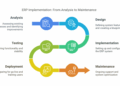
Steps in Implementing Epicor ERP System
- Planning: Define project scope, objectives, and timelines.
- Analysis: Assess current processes and identify areas for improvement.
- Configuration: Customize the system to meet specific business requirements.
- Testing: Conduct thorough testing to ensure the system functions as intended.
- Training: Provide comprehensive training to users to maximize system utilization.
- Go-Live: Transition to the new system and monitor performance.
Common Challenges and Solutions
- Resistance to Change: Address resistance through effective communication and training programs.
- Data Migration Issues: Ensure data is clean, accurate, and compatible with the new system.
- Lack of Executive Support: Secure buy-in from leadership to drive successful implementation.
- Scope Creep: Define clear project scope and regularly review to prevent scope creep.
Importance of Integration with Other Systems
Integrating Epicor ERP with other systems within an organization is essential for enabling seamless data flow and ensuring consistency across different functions. It allows for better decision-making, improved visibility, and enhanced collaboration among departments.
Best Practices for Successful Integration
1. Identify integration requirements early on in the process.
2. Ensure compatibility between Epicor ERP and existing systems.
3. Define data mapping and validation processes for accurate data transfer.
4. Conduct thorough testing of integrations to identify and resolve any issues.
5. Establish clear communication channels between IT teams and stakeholders.
Customization and Scalability

Customization plays a crucial role in tailoring an ERP system like Epicor to meet the specific needs of a business. Let's delve into the customization options available and how Epicor ERP ensures scalability to accommodate business growth.
Customization Options in Epicor ERP
Epicor ERP offers a wide range of customization options to help businesses adapt the system to their unique requirements. Users can customize workflows, reports, dashboards, and even create new fields to capture specific data points. Additionally, Epicor provides a robust set of tools for developers to further customize the system through coding and integrations.
Scalability of Epicor ERP
One of the key strengths of Epicor ERP is its scalability. The system is designed to grow with your business, whether you are expanding your operations, adding new users, or integrating with other systems. Epicor's flexible architecture allows businesses to scale up or down easily without compromising performance or data integrity.
Benefits of a Scalable ERP System
- Adaptability: Businesses can easily adjust Epicor ERP to changing requirements without the need for a complete system overhaul.
- Cost-Effectiveness: Scalability ensures that businesses only pay for the resources they need, making it a cost-effective solution for growing companies.
- Enhanced Efficiency: Scalable ERP systems like Epicor help streamline processes and improve overall efficiency as businesses expand.
- Competitive Advantage: By having a scalable ERP system in place, businesses can stay ahead of the competition and seize opportunities for growth.
End of Discussion

As we wrap up our exploration of the Epicor ERP system, it's clear that this dynamic platform is a key player in driving efficiency, productivity, and growth for businesses across various industries. With its customizable options, seamless integration capabilities, and scalability to adapt to evolving needs, Epicor ERP stands out as a top choice for companies looking to optimize their operations and stay ahead of the competition.
Clarifying Questions
How customizable is the Epicor ERP system?
The Epicor ERP system offers a range of customization options to tailor the software to specific business needs, allowing companies to optimize their processes efficiently.
What industries commonly use the Epicor ERP system?
Epicor ERP is commonly used in manufacturing, distribution, retail, and services industries, among others, due to its versatile features and functionalities.
Can Epicor ERP be integrated with other systems?
Yes, Epicor ERP can be seamlessly integrated with other systems within an organization to ensure smooth data flow and enhanced operational efficiency.
How does Epicor ERP support business growth?
Epicor ERP is highly scalable, allowing businesses to expand their operations without worrying about outgrowing the system, making it ideal for growing companies.
What makes Epicor ERP stand out from other leading ERP systems?
Epicor ERP distinguishes itself with its user-friendly interface, comprehensive features, and robust customization options, setting it apart as a top choice for businesses seeking advanced ERP solutions.