
Embark on a journey through the realm of ERP development, where businesses strive to enhance efficiency and streamline operations. This passage invites you to delve into the intricacies of ERP systems with a blend of insightful analysis and practical guidance, promising a rewarding exploration of this vital business tool.
Exploring the fundamental concepts and latest trends in ERP development, this introductory paragraph sets the stage for a comprehensive discussion that sheds light on the dynamic landscape of modern business solutions.
Introduction to ERP Development
ERP development refers to the process of designing, creating, and implementing Enterprise Resource Planning (ERP) software solutions to streamline and optimize business operations. This is crucial for businesses looking to integrate various functions and departments into a centralized system for improved efficiency and productivity.
Significance of ERP Development
- Enhanced Efficiency: ERP development helps in automating repetitive tasks and processes, reducing manual errors, and improving overall workflow efficiency.
- Improved Decision-Making: By providing real-time data and insights, ERP systems enable businesses to make informed decisions quickly.
- Cost Reduction: Through better resource utilization, inventory management, and forecasting capabilities, ERP development can lead to cost savings for organizations.
Key Components of ERP Development
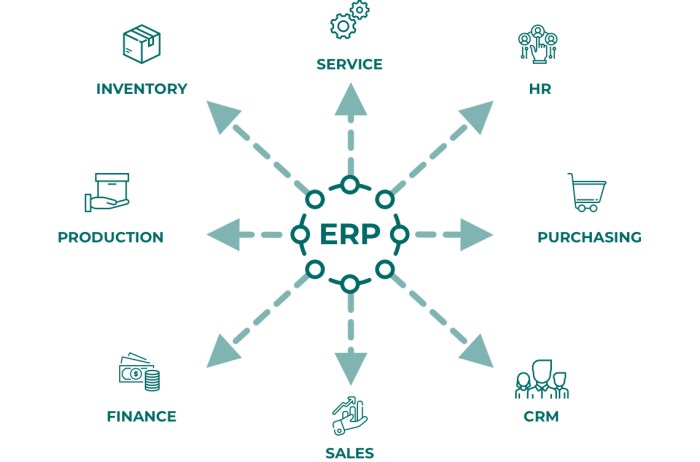
- Modules: ERP systems consist of various modules such as finance, human resources, inventory management, and customer relationship management, each serving specific functions.
- Database: A robust database is crucial for storing and managing large volumes of data generated by different departments within an organization.
- User Interface: The user interface of an ERP system should be intuitive, user-friendly, and customizable to meet the specific needs of different users.
- Integration: Seamless integration with existing systems and third-party applications is essential for ensuring smooth operations across the organization.
ERP Development Process
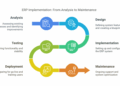
ERP development process involves several stages that are crucial for the successful implementation of an ERP system. These stages typically include planning, analysis, design, development, testing, deployment, and maintenance.
Role of Project Management in ERP Development
Project management plays a key role in ERP development by overseeing the entire process from start to finish. Project managers are responsible for coordinating different teams, setting timelines, managing resources, and ensuring that the project stays on track. They also act as a bridge between stakeholders and the development team to ensure that the project meets the specified requirements and goals.
Tools and Technologies Used in ERP Development
- ERP Software: Popular ERP software like SAP, Oracle, Microsoft Dynamics, and others are commonly used in ERP development.
- Database Management Systems: Tools like MySQL, Oracle Database, Microsoft SQL Server are used for managing the data within the ERP system.
- Programming Languages: Developers use languages like Java, C#, Python, and others to build custom ERP solutions or integrate existing systems.
- Cloud Computing: Cloud platforms like AWS, Azure, and Google Cloud are utilized for hosting ERP systems and accessing resources on-demand.
- Integration Tools: Middleware solutions such as MuleSoft, Dell Boomi, and others are used for integrating various applications within the ERP system.
ERP Development Best Practices
When it comes to designing a scalable ERP system, implementing effective data migration, and ensuring security and compliance during ERP development, following best practices is crucial to the success of the project.
Designing a Scalable ERP System
Designing a scalable ERP system involves anticipating future growth and ensuring that the system can adapt to changing business needs. Some best practices include:
- Modular Design: Break down the system into modules that can be added or modified independently, allowing for easier scalability.
- Scalable Infrastructure: Use cloud-based solutions or scalable hardware to accommodate increased data and user loads.
- Performance Testing: Conduct regular performance testing to identify bottlenecks and optimize system performance.
Effective Data Migration Strategies
Data migration is a critical aspect of ERP development that requires careful planning and execution. To ensure a smooth data migration process, consider the following strategies:
- Data Cleansing: Cleanse and de-duplicate data before migration to avoid issues with data integrity in the new system.
- Incremental Migration: Break down the migration process into smaller increments to minimize downtime and reduce the risk of data loss.
- Data Mapping: Create a detailed data mapping plan to ensure that data is accurately transferred from the old system to the new ERP system.
Ensuring Security and Compliance
Security and compliance are essential considerations in ERP development to protect sensitive business data and adhere to regulations. To ensure security and compliance, follow these best practices:
- Role-Based Access Control: Implement role-based access control to restrict access to sensitive data and functionalities based on user roles.
- Regular Security Audits: Conduct regular security audits to identify vulnerabilities and address them promptly to prevent security breaches.
- Compliance Monitoring: Stay up to date with regulatory requirements and ensure that the ERP system complies with relevant laws and industry standards.
Challenges in ERP Development
Developing an ERP system can be a complex and challenging process that requires careful planning and execution. Various obstacles may arise during the development phase that can impact the success of the project. In this section, we will explore some common challenges faced during ERP development projects and discuss strategies to overcome integration issues and manage scope creep effectively.
Integration Issues in ERP Development
One of the major challenges in ERP development is integrating the new system with existing software and processes within an organization. This can lead to compatibility issues, data inconsistencies, and disruptions in operations. To overcome integration issues, it is crucial to conduct a thorough analysis of the current systems and establish clear communication channels between different departments.
Utilizing middleware solutions and APIs can help streamline the integration process and ensure data flow between systems is smooth and accurate.
Managing Scope Creep in ERP Development
Scope creep refers to the tendency for project requirements to expand beyond the initial scope, leading to delays, increased costs, and decreased project quality. In ERP development, managing scope creep is essential to ensure the project stays on track and meets the intended objectives.
To effectively manage scope creep, project managers should establish a clear project scope from the outset, involve stakeholders in decision-making processes, prioritize requirements based on business needs, and regularly monitor and adjust project milestones to prevent scope creep from derailing the project.
Emerging Trends in ERP Development

In today's rapidly evolving technological landscape, ERP development is also experiencing significant advancements and innovations. Let's delve into some of the emerging trends shaping the future of ERP development.
Impact of AI and Machine Learning on ERP Development
AI and machine learning are revolutionizing ERP development by enhancing automation, predictive analytics, and decision-making capabilities. These technologies enable ERP systems to learn from data, identify patterns, and make intelligent recommendations to improve operational efficiency and drive business growth.
Adoption of Cloud-Based ERP Solutions in Development
The adoption of cloud-based ERP solutions is on the rise due to their scalability, flexibility, and cost-effectiveness. Cloud ERP systems offer real-time access to data, seamless integration with other applications, and enhanced security measures. Organizations are increasingly migrating to cloud-based ERP solutions to streamline their operations and stay competitive in the digital era.
Future of Mobile ERP Development
Mobile ERP development is gaining momentum as more businesses embrace remote work and mobile technology. The future of mobile ERP development lies in creating user-friendly, responsive interfaces that enable employees to access critical business information on-the-go. Mobile ERP apps are expected to become more sophisticated, offering advanced features such as voice commands, augmented reality, and personalized notifications to enhance user experience and productivity.
Last Recap
In conclusion, ERP development stands as a cornerstone of innovation in the corporate world, offering a roadmap to success through strategic implementation and continuous improvement. As businesses navigate the complexities of digital transformation, embracing the principles of ERP development can pave the way for sustainable growth and competitive advantage in an ever-evolving market.
Q&A
What are the primary objectives of ERP development?
The primary objectives of ERP development include enhancing operational efficiency, improving decision-making processes, and facilitating seamless communication across different departments.
How can businesses ensure security and compliance in ERP development?
Businesses can ensure security and compliance in ERP development by implementing robust data encryption protocols, conducting regular security audits, and adhering to industry-specific regulations.
What are some emerging trends in ERP development?
Emerging trends in ERP development include the integration of AI and machine learning capabilities, the adoption of cloud-based solutions for enhanced flexibility, and the increasing focus on mobile ERP development for greater accessibility.