
Delve into the world of ERP implementation process with this engaging title, promising a journey filled with valuable insights and practical advice.
The ERP implementation process involves defining key stages, planning strategies, system selection, and best practices for successful implementation.
Understanding ERP Implementation Process
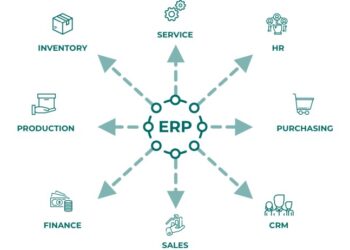
Implementing an Enterprise Resource Planning (ERP) system is a complex process that involves integrating various business functions and processes into a single system.
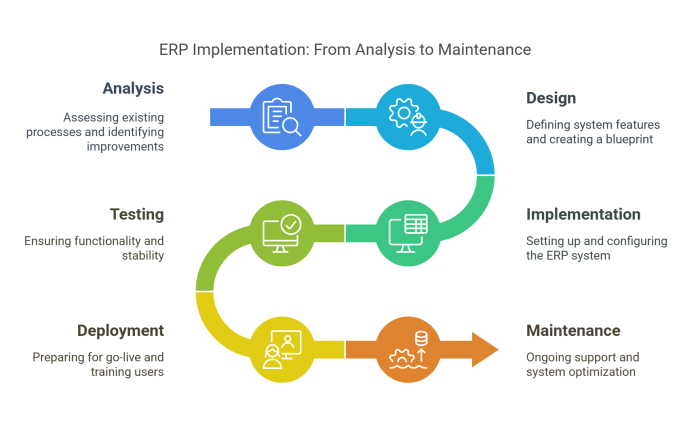
Key Stages in ERP Implementation:
- Planning: Involves defining goals, selecting the right ERP system, and creating a project plan.
- Analysis: Includes assessing current processes, identifying gaps, and determining customization needs.
- Design: Developing a solution based on analysis, configuring the ERP system, and mapping business processes.
- Development: Building interfaces, data migration, and customizations as needed.
- Testing: Conducting system, integration, and user acceptance testing to ensure the ERP system works as intended.
- Deployment: Rolling out the ERP system, training end-users, and providing post-implementation support.
The Importance of a Structured Approach in ERP Implementation:
A structured approach ensures that each stage is carefully planned and executed, leading to a successful ERP implementation. It helps in managing risks, controlling costs, and achieving desired outcomes.
Challenges in ERP Implementation:
- Resistance to Change: Employees may resist adopting new processes and systems.
- Data Migration Issues: Moving data from legacy systems to the new ERP system can be complex.
- Lack of Expertise: Inadequate knowledge and skills can hinder the implementation process.
- Budget Overruns: Unexpected costs may arise during implementation, leading to budget constraints.
- Customization Challenges: Balancing the need for customization with standard ERP features can be a challenge.
Planning for ERP Implementation

When it comes to implementing an ERP system, proper planning is essential to ensure a successful transition. This phase involves laying down the groundwork for the entire process and setting realistic expectations.
Initial Steps in Planning
- Identifying key objectives and goals for the ERP implementation.
- Establishing a project team with clear roles and responsibilities.
- Conducting a detailed assessment of the current systems and processes.
Role of Key Stakeholders
- Key stakeholders, including executives, department heads, and end-users, play a crucial role in the planning phase.
- They provide valuable insights, make important decisions, and ensure alignment with organizational goals.
- Effective communication and collaboration among stakeholders are essential for a smooth planning process.
Setting Realistic Goals and Timelines
- Define clear and measurable goals that align with the overall business objectives.
- Break down the implementation process into manageable phases with realistic timelines.
- Consider factors like budget, resources, and complexity of the ERP system when setting goals and timelines.
Thorough Needs Assessment
Before diving into the planning phase, it's crucial to conduct a thorough needs assessment to understand the specific requirements of the organization.
By identifying pain points, inefficiencies, and opportunities for improvement, you can tailor the ERP implementation plan to address these needs effectively.
Selecting the Right ERP System
When it comes to selecting the right ERP system for an organization, several criteria need to be considered to ensure a successful implementation. It is crucial to align the chosen ERP system with the business objectives to maximize its benefits and efficiency.
Comparing different ERP systems based on features, scalability, and cost can help in making an informed decision. Additionally, conducting a thorough evaluation of ERP vendors is essential to choose a reliable partner for the implementation process.
Criteria for Selecting the Most Suitable ERP System
- Scalability to accommodate future growth and changes in the organization.
- User-friendly interface to ensure easy adoption by employees.
- Integration capabilities with existing systems to streamline processes.
- Customization options to meet specific business requirements.
- Vendor support and maintenance services for ongoing assistance.
Importance of Aligning the Chosen ERP System with Business Objectives
Aligning the chosen ERP system with business objectives ensures that the system contributes to achieving organizational goals and enhances overall efficiency.
Comparison of Different ERP Systems
| ERP System | Features | Scalability | Cost |
|---|---|---|---|
| ERP System A | Advanced reporting and analytics | Highly scalable for large enterprises | Higher initial cost but lower long-term expenses |
| ERP System B | Real-time data updates | Scalable for small to medium-sized businesses | Affordable initial cost but higher long-term expenses |
| ERP System C | Customizable modules | Scalable for various business sizes | Moderate initial and long-term costs |
Thorough Evaluation of ERP Vendors
- Request for proposal (RFP) process to gather information and proposals from vendors.
- Conduct in-depth interviews with vendors to understand their expertise and approach.
- Check references and customer reviews to assess vendor reputation and reliability.
- Evaluate vendor support services and training programs for smooth implementation and ongoing support.
Implementation Strategies and Best Practices

Implementing an ERP system can be a complex and challenging process, but with the right strategies and best practices, organizations can ensure a successful implementation. Below are some key strategies and practices to consider:
Phased Rollout Strategy
A phased rollout strategy involves implementing the ERP system in stages, starting with a small pilot group and gradually expanding to the entire organization. This approach allows for testing and fine-tuning of the system before full implementation, reducing the risk of errors and disruptions.
- Start with a pilot group to identify and address any issues early on.
- Gradually expand the implementation to other departments or locations.
- Ensure clear communication and training for each phase of the rollout.
Big Bang Approach
The big bang approach involves implementing the ERP system across the entire organization at once. While this approach can be faster, it also carries higher risks of disruption and errors if not planned and executed carefully.
- Thoroughly plan and prepare for the implementation to minimize risks.
- Ensure all employees are trained and prepared for the changes.
- Have a contingency plan in place in case of any major issues during the implementation.
Successful Implementation Stories
One example of a successful ERP implementation is the case of XYZ Company, which saw increased efficiency and cost savings after implementing an ERP system. Key lessons learned from their implementation include:
- Engage stakeholders early on and involve them in the decision-making process.
- Provide comprehensive training to employees to ensure a smooth transition.
- Regularly monitor and evaluate the system to address any issues promptly.
Importance of Change Management and Training
Change management is crucial during the ERP implementation process to ensure that employees are prepared for the changes and can adapt to the new system effectively. Training plays a key role in this process, helping employees understand the system and how to use it efficiently.
- Communicate the benefits of the new system to employees to gain their buy-in.
- Provide hands-on training and support to help employees learn the system.
- Establish a feedback mechanism to address any concerns or challenges faced by employees.
Ending Remarks
In conclusion, the ERP implementation process is a complex yet rewarding journey that requires careful planning, stakeholder involvement, and adherence to best practices for successful execution.
Quick FAQs
What are the key challenges during ERP implementation?
Challenges typically include resistance to change, data migration issues, and integration complexities.
How can organizations align ERP systems with business objectives?
By defining clear business goals and ensuring the chosen system supports these objectives effectively.
What are some best practices for successful ERP implementation?
Best practices include thorough training, effective change management, and continuous communication with stakeholders.
How important is conducting a needs assessment before planning ERP implementation?
It is crucial as it helps in identifying organizational requirements and ensures the chosen system meets those needs.