
In today's fast-paced business landscape, effective inventory management is crucial for success. ERP Inventory systems play a vital role in streamlining operations, optimizing resources, and enhancing decision-making processes. Let's delve into the world of ERP Inventory to understand its significance and impact on businesses.
As we explore the various facets of ERP Inventory systems in the following sections, you will gain valuable insights into how these systems revolutionize the way businesses handle their inventory needs.
Overview of ERP Inventory

ERP Inventory, or Enterprise Resource Planning Inventory, refers to the software system that helps businesses manage and track their inventory levels, orders, sales, and deliveries. It plays a crucial role in optimizing supply chain management and ensuring efficient operations.
ERP Inventory systems help businesses streamline their inventory processes by providing real-time visibility into stock levels, tracking inventory movement, and automating tasks such as reordering and replenishment. By centralizing inventory data and integrating it with other business functions, ERP Inventory software enables organizations to make informed decisions, reduce carrying costs, and improve customer service.
Key Features of ERP Inventory software
- Inventory Management: Allows businesses to track stock levels, monitor inventory movement, and optimize reorder points.
- Order Management: Streamlines order processing, from order entry to fulfillment, ensuring accurate and timely deliveries.
- Warehouse Management: Optimizes warehouse operations by organizing inventory, improving picking processes, and enhancing storage efficiency.
- Reporting and Analytics: Provides insights into inventory performance, demand forecasting, and inventory turnover rates through customizable reports and dashboards.
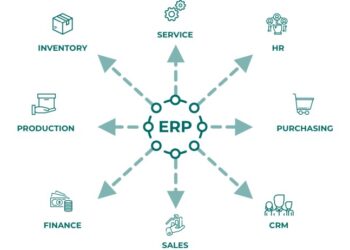
- Integration Capabilities: Integrates with other business systems such as accounting, sales, and procurement for seamless data flow and process automation.
Types of ERP Inventory Systems

When it comes to ERP Inventory systems, there are different types available in the market, each with its own set of features and functionalities. Let's explore the various types and compare them to gain a better understanding of their benefits and limitations.
Cloud-based ERP Inventory Systems
Cloud-based ERP Inventory systems are hosted on remote servers and accessed through the internet. This type of system offers flexibility, scalability, and cost-effectiveness as companies only pay for the resources they use. Updates and maintenance are managed by the provider, freeing up resources and reducing IT workload.
- Benefits:
- Accessibility from anywhere with an internet connection.
- Scalability to accommodate business growth.
- Lower upfront costs and predictable monthly expenses.
- Limitations:
- Dependent on internet connectivity for access.
- Potential security risks related to cloud storage.
- Customization options may be limited compared to on-premise solutions.
On-premise ERP Inventory Systems
On-premise ERP Inventory systems are installed and maintained on the company's own servers and hardware. This type of system offers more control over data and customization options but requires a higher initial investment and ongoing maintenance.
- Benefits:
- Greater control over data security and customization.
- Ability to integrate with other on-premise systems easily.
- Independence from external factors like internet connectivity.
- Limitations:
- Higher upfront costs for hardware, software, and IT resources.
- Ongoing maintenance and updates require dedicated IT staff.
- Limited scalability compared to cloud-based solutions.
Implementation of ERP Inventory

Implementing an ERP Inventory system is a crucial process that requires careful planning and execution to ensure its success.
Steps for Implementing an ERP Inventory System
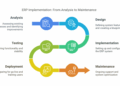
When implementing an ERP Inventory system, the following steps are typically involved:
- 1. Planning and Preparation: Define the scope, objectives, and requirements of the ERP Inventory system.
- 2. Vendor Selection: Choose a reliable ERP vendor with experience in inventory management.
- 3. Data Migration: Transfer existing inventory data to the new ERP system accurately.
- 4. System Configuration: Customize the ERP system according to the specific needs of the organization.
- 5. Training: Provide comprehensive training to employees on how to use the new ERP Inventory system effectively.
- 6. Testing: Conduct thorough testing to identify and resolve any issues before full implementation.
- 7. Go-Live: Transition to the new ERP Inventory system and monitor its performance closely.
- 8. Evaluation and Optimization: Continuously assess the system's performance and make necessary improvements.
Best Practices for a Successful ERP Inventory Implementation
To ensure a successful ERP Inventory implementation, consider the following best practices:
- 1. Strong Leadership: Assign a dedicated project manager to oversee the implementation process.
- 2. Cross-Functional Team: Involve representatives from different departments to ensure all requirements are met.
- 3. Clear Communication: Keep all stakeholders informed about the progress and changes throughout the implementation.
- 4. Change Management: Prepare employees for the transition and provide support during the learning curve.
- 5. Regular Updates: Schedule regular meetings to discuss the project status and address any issues promptly.
Challenges Faced During ERP Inventory System Implementation and Solutions
Common challenges faced during ERP Inventory system implementation include:
- - Resistance to Change: Employees may be hesitant to adopt new processes and systems. Solution: Provide comprehensive training and support to help employees adjust.
- - Data Accuracy Issues: Inaccurate data migration can lead to errors in inventory management. Solution: Conduct thorough data validation and testing before going live.
- - Integration Problems: Ensuring seamless integration with existing systems can be a challenge. Solution: Work closely with IT experts and vendors to address integration issues.
- - Cost Overruns: Budget constraints and unexpected expenses can impact the implementation process. Solution: Monitor expenses closely and adjust the budget as needed.
Integration with Other Business Systems
Integrating ERP Inventory with other business systems such as CRM or accounting software is crucial for optimizing operational efficiency and decision-making processes.
Streamlining Business Processes
- Seamless integration between ERP Inventory and CRM systems can provide a comprehensive view of customer interactions, allowing for better forecasting of inventory needs based on customer demand.
- Integration with accounting software enables real-time tracking of financial data, facilitating accurate cost analysis and inventory valuation.
- Automating data flow between systems reduces manual data entry errors and ensures consistency in information across departments.
Impact on Decision-Making
- Integrated data from various business systems provides a holistic view of operations, enabling informed decision-making based on real-time insights.
- Access to accurate and up-to-date information allows for quicker response to market changes and better resource allocation.
- Improved data visibility enhances forecasting accuracy, helping in inventory optimization and reducing excess inventory costs.
Wrap-Up
From defining ERP Inventory to discussing its implementation and integration with other business systems, this guide has provided a comprehensive overview of this essential tool in modern business operations. Embracing ERP Inventory can lead to enhanced efficiency, improved decision-making, and ultimately, greater success for your organization.
Key Questions Answered
What is ERP Inventory and why is it important?
ERP Inventory is a software tool that helps businesses manage their inventory effectively by providing real-time visibility, tracking, and analysis of inventory data. It is essential for optimizing resources, reducing costs, and improving overall operational efficiency.
What are the different types of ERP Inventory systems?
There are various types of ERP Inventory systems available, including cloud-based and on-premise solutions. Cloud-based systems offer flexibility and scalability, while on-premise solutions provide greater control over data security.
How can businesses ensure a successful ERP Inventory implementation?
Businesses can ensure successful ERP Inventory implementation by defining clear objectives, involving key stakeholders, providing adequate training, and conducting thorough testing before full deployment.
Why is integrating ERP Inventory with other business systems important?
Integrating ERP Inventory with other systems like CRM or accounting software allows for seamless data flow, improved communication, and better decision-making processes. It streamlines operations and enhances overall business efficiency.