
Embark on a journey through the world of ERP system implementation, where businesses strive to streamline operations and enhance efficiency. Dive into the complexities and rewards of integrating ERP systems, paving the way for organizational success.
Overview of ERP System Implementation

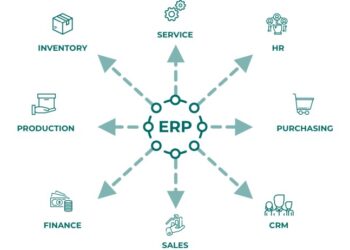
Implementing an ERP (Enterprise Resource Planning) system involves integrating various business processes and functions into a unified system. This comprehensive software solution helps organizations streamline operations, improve efficiency, and enhance decision-making capabilities.
Key Steps in Implementing an ERP System
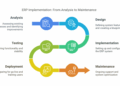
- Planning Phase: This involves defining goals, assessing current processes, and selecting the right ERP system.
- Design Phase: Customizing the system to fit the organization's needs and mapping out data migration strategies.
- Development Phase: Building and configuring the system, including testing and training processes.
- Deployment Phase: Rolling out the ERP system across the organization, ensuring smooth transition and user adoption.
- Monitoring and Evaluation: Continuous monitoring, feedback gathering, and making necessary adjustments for optimization.
Benefits of Successful ERP System Implementation
- Improved Efficiency: Streamlining processes and eliminating redundant tasks lead to increased productivity.
- Enhanced Visibility: Centralized data provides real-time insights for better decision-making.
- Cost Savings: Eliminating manual processes and improving resource allocation can result in cost reductions.
- Compliance and Security: Ensuring data integrity and compliance with regulations through robust system controls.
- Scalability and Flexibility: Adapting to changing business needs and scaling operations efficiently.
Planning for ERP System Implementation

Proper planning before implementing an ERP system is crucial for the success of the project. It helps in defining clear objectives, allocating resources effectively, managing risks, and ensuring a smooth transition to the new system. Without adequate planning, organizations may face delays, cost overruns, and performance issues during and after implementation.
Key Considerations for Planning an ERP System Implementation
- Define clear goals and objectives: Identify what the organization aims to achieve with the ERP system, such as improving efficiency, streamlining processes, or enhancing decision-making.
- Assess current processes and systems: Understand existing workflows, data structures, and systems to determine how the ERP system will fit into the organization.
- Engage stakeholders: Involve key stakeholders from different departments in the planning process to gather input, address concerns, and ensure buy-in.
- Allocate resources: Determine the budget, timeline, and human resources needed for the implementation, including training and support.
- Risk management: Identify potential risks and develop mitigation strategies to address challenges that may arise during implementation.
Strategies for Effective Planning in ERP System Implementation
- Phased approach: Divide the implementation process into phases, focusing on specific modules or departments to manage complexity and minimize disruptions.
- Change management: Implement strategies to prepare employees for the changes brought by the ERP system, such as training, communication, and support.
- Testing and validation: Conduct thorough testing of the system before full deployment to ensure functionality, data accuracy, and user satisfaction.
- Continuous improvement: Plan for post-implementation monitoring, feedback collection, and iterative improvements to optimize the system over time.
Selecting the Right ERP System
Choosing the right ERP system is a crucial decision for any business as it can impact operations, efficiency, and overall success. This process involves careful evaluation and consideration to ensure alignment with the organization's needs and goals.
Criteria for Evaluating and Choosing an ERP System
- Scalability: The system should be able to grow with the business and accommodate future expansion.
- Integration Capabilities: It should seamlessly integrate with existing systems and applications to avoid disruptions.
- User-Friendliness: An intuitive interface and ease of use are essential for user adoption and training.
- Customization Options: The ability to tailor the system to specific business requirements is crucial for optimal functionality.
- Vendor Reputation: Choosing a reputable vendor with a track record of successful implementations can mitigate risks.
Insights on Challenges Associated with Selecting the Right ERP System
One common challenge is the overwhelming number of options available in the market, making it difficult to narrow down choices.
Another challenge is ensuring that the selected ERP system aligns with the organization's unique processes and requirements.
Cost can also be a significant factor, as implementation expenses, licensing fees, and maintenance costs need to be carefully considered
.
Data Migration and Integration in ERP System Implementation

When transitioning to an ERP system, data migration plays a crucial role in ensuring that all existing data is successfully transferred and integrated into the new system. This process involves moving data from various sources, such as legacy systems, spreadsheets, and databases, to the new ERP platform.
Significance of Data Migration
Data migration is significant because it ensures that historical and current data essential for business operations are accurately transferred to the new ERP system. Without proper data migration, businesses risk losing important information, leading to operational disruptions and inefficiencies.
Common Data Integration Challenges
- Compatibility issues between different data formats and structures
- Data cleansing and standardization to ensure data quality
- Data mapping to align data fields between the old and new systems
- Data security and privacy concerns during the migration process
- Lack of expertise in handling complex data migration tasks
Best Practices for Data Migration and Integration
- Thoroughly assess and clean existing data to ensure accuracy and consistency
- Develop a detailed data migration plan with clear timelines and milestones
- Engage key stakeholders and end-users in the data migration process for better alignment
- Conduct rigorous testing and validation of data after migration to identify and resolve any issues
- Provide adequate training and support to users to ensure smooth adoption of the new ERP system
Training and Change Management
Training employees and managing change are crucial aspects of successful ERP system adoption. Training ensures that employees understand how to use the new system effectively, while change management helps in navigating the transition smoothly.
Importance of Training Employees
Training employees on the new ERP system is essential to ensure a smooth transition and maximize the benefits of the system. Some strategies for effective training include:
- Providing hands-on training sessions to familiarize employees with the system.
- Offering ongoing support and resources for employees to reference post-training.
- Customizing training sessions based on employees' roles and responsibilities.
- Encouraging feedback and addressing any concerns or gaps in understanding promptly.
Effective Change Management Strategies
Change management is key to overcoming resistance and ensuring a successful ERP system implementation. Some strategies for effective change management include:
- Communicating openly and transparently about the reasons for the change and its benefits.
- Involving employees in the decision-making process and seeking their input and feedback.
- Providing adequate support and resources to help employees adapt to the change.
- Recognizing and rewarding employees for their efforts and achievements during the transition.
Overcoming Resistance to Change
Resistance to change is common but can be addressed through various approaches. Some ways to overcome resistance among employees include:
- Engaging in open dialogue to address concerns and fears about the change.
- Empowering employees by involving them in the change process and decision-making.
- Providing training and support to build confidence in using the new system.
- Leading by example and demonstrating the benefits of the change through success stories and case studies.
Outcome Summary

In conclusion, ERP system implementation is a crucial process that demands careful planning, strategic decision-making, and effective change management. By embracing these key elements, businesses can unlock the full potential of their ERP systems and drive growth and innovation.
FAQ Compilation
How do I ensure a successful ERP system implementation?
To ensure success, proper planning, thorough training, and effective change management are crucial aspects to focus on during ERP system implementation.
What are common challenges faced during data migration in ERP system implementation?
Common challenges include data quality issues, compatibility problems, and ensuring data security during the migration process.
Why is training essential for employees during ERP system adoption?
Training is essential to ensure that employees understand how to use the new ERP system effectively, maximizing its benefits and minimizing resistance to change.