
As Hyperion ERP emerges as a pivotal tool in the business world, this introduction beckons readers into a realm of innovation and efficiency. Get ready to dive deep into the realm of Hyperion ERP and discover its transformative capabilities.
Introduction to Hyperion ERP
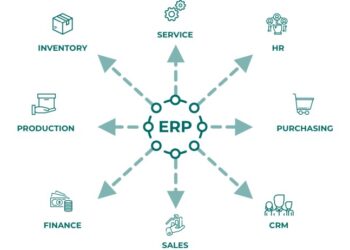
Hyperion ERP is a comprehensive Enterprise Resource Planning software that helps businesses manage their financials, supply chain, manufacturing, operations, and human resources in one integrated system. The primary functions of Hyperion ERP include financial management, inventory management, procurement, project management, and reporting and analytics.
Industries Using Hyperion ERP
- Manufacturing: Hyperion ERP is commonly used in manufacturing industries to streamline production processes, manage inventory effectively, and optimize supply chain operations.
- Retail: Retail businesses utilize Hyperion ERP to manage sales, inventory, customer relationships, and financials efficiently.
- Healthcare: Healthcare organizations leverage Hyperion ERP to handle complex billing processes, manage patient records, and improve overall operational efficiency.
Benefits of Using Hyperion ERP for Businesses
- Improved Efficiency: Hyperion ERP automates manual tasks, reduces errors, and improves workflow efficiency across departments.
- Enhanced Visibility: The software provides real-time insights into business operations, enabling better decision-making and strategic planning.
- Cost Savings: By optimizing processes and eliminating redundancies, Hyperion ERP helps businesses reduce costs and increase profitability.
- Compliance and Security: Hyperion ERP ensures data security, regulatory compliance, and audit trails to protect sensitive business information.
Features of Hyperion ERP
Hyperion ERP offers a wide range of features and modules designed to streamline business processes and improve overall efficiency. Let's take a closer look at some of the key features and how they compare to other ERP systems.
Key Features and Modules
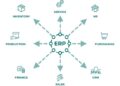
- Financial Management: Hyperion ERP provides robust financial management capabilities, including budgeting, forecasting, and reporting tools.
- Supply Chain Management: The system helps optimize supply chain operations, from procurement to inventory management.
- Human Resource Management: Hyperion ERP offers HR modules for managing employee data, payroll, benefits, and performance evaluations.
- Customer Relationship Management (CRM): The CRM module helps businesses track customer interactions, manage leads, and improve customer satisfaction.
- Business Intelligence: Hyperion ERP integrates powerful analytics tools to help businesses make data-driven decisions and gain valuable insights.
Comparison with Other ERP Systems
- Customization: Hyperion ERP offers extensive customization options to meet the unique needs of different industries and businesses, setting it apart from competitors.
- Scalability: Hyperion ERP is highly scalable, allowing businesses to easily adapt and grow without significant disruptions, unlike some other ERP systems.
- Integration: Hyperion ERP seamlessly integrates with a wide range of third-party software applications, enhancing overall operational efficiency.
Integration with Other Software Applications
Hyperion ERP can integrate with various software applications, such as CRM systems, payroll software, and business intelligence tools, through APIs and connectors. This seamless integration ensures data consistency and facilitates real-time information sharing across different departments within an organization.
Implementation of Hyperion ERP

Implementing Hyperion ERP involves a series of steps and considerations to ensure a successful integration of the system within an organization.
Steps Involved in Implementing Hyperion ERP
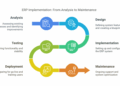
- 1. Planning Phase: Define goals, assess current systems, and create a detailed implementation plan.
- 2. Configuration: Customize Hyperion ERP to fit the specific needs and requirements of the organization.
- 3. Data Migration: Transfer existing data into the new system without loss or corruption.
- 4. Testing: Conduct comprehensive testing to identify and resolve any issues before full deployment.
- 5. Training: Provide extensive training to employees to ensure smooth adoption and utilization of the system.
- 6. Go-Live: Launch the Hyperion ERP system and monitor its performance for any initial hiccups.
Common Challenges Faced During Hyperion ERP Implementation
- 1. Resistance to Change: Employees may resist adopting new processes and technologies.
- 2. Data Quality Issues: Inaccurate or incomplete data can hinder the effectiveness of the system.
- 3. Integration Problems: Difficulty integrating Hyperion ERP with existing systems and software.
- 4. Budget Constraints: Cost overruns and budget limitations can impact the implementation process.
Tips for a Successful Hyperion ERP Implementation Process
- 1. Executive Support: Secure buy-in from top management to drive the implementation process.
- 2. Clear Communication: Ensure open and transparent communication with all stakeholders throughout the process.
- 3. User Involvement: Involve end-users in the implementation to increase engagement and acceptance.
- 4. Continuous Training: Provide ongoing training and support to ensure users are proficient in using the system.
Customization and Configuration in Hyperion ERP
Customization and configuration are essential aspects of Hyperion ERP to tailor the software to meet specific business needs and industry requirements. By customizing and configuring Hyperion ERP effectively, companies can optimize their processes and workflows for better efficiency and performance.
Options for Customizing Hyperion ERP
- Customizing forms and reports to match company branding and visual standards.
- Creating custom workflows and approval processes based on unique business requirements.
- Integrating third-party applications and tools to enhance functionality and data analysis capabilities.
Best Practices for Configuring Hyperion ERP
- Collaborate closely with stakeholders to understand specific business needs and objectives.
- Follow industry standards and regulations to ensure compliance and data security.
- Regularly review and update configurations to adapt to changing business environments and technological advancements.
Examples of Successful Customization Projects
A manufacturing company customized Hyperion ERP to streamline its production processes by integrating real-time data from IoT devices to monitor equipment performance and optimize maintenance schedules.
A retail chain configured Hyperion ERP to automate inventory management and procurement processes, leading to significant cost savings and improved inventory accuracy.
Wrap-Up
In conclusion, Hyperion ERP stands as a beacon of streamlined operations and enhanced productivity for businesses across various industries. Dive into the world of Hyperion ERP and unlock a new era of business management excellence.
FAQ Guide
What industries commonly use Hyperion ERP?
Hyperion ERP is commonly used in industries such as finance, manufacturing, healthcare, and retail for streamlined business operations.
How does Hyperion ERP differ from other ERP systems?
Hyperion ERP sets itself apart with its robust features, seamless integration capabilities, and customization options tailored to specific business needs.
What are the primary functions of Hyperion ERP?
Hyperion ERP helps businesses with financial management, inventory control, human resources management, and overall operational efficiency.
How can businesses ensure a successful Hyperion ERP implementation process?
Businesses can ensure success by thorough planning, training employees, and partnering with experienced implementation consultants.
What are some examples of successful customization projects in Hyperion ERP?
Successful customization projects in Hyperion ERP include tailored financial reporting systems, automated inventory management solutions, and integrated HR modules.