
Oracle Financials sets the stage for this enthralling narrative, offering readers a glimpse into a story that is rich in detail and brimming with originality from the outset. As we delve into the realm of Oracle Financials, we uncover its intricate modules, evolution over time, and the key features that make it a powerhouse in financial management.
Overview of Oracle Financials
Oracle Financials is a comprehensive suite of integrated financial management modules designed to streamline and automate financial processes within an organization. It provides a centralized platform for managing various financial activities, including accounting, procurement, budgeting, and reporting.
Modules Included in Oracle Financials
- Oracle General Ledger: This module serves as the core of Oracle Financials, allowing organizations to maintain their financial records accurately and efficiently.
- Oracle Accounts Payable: This module manages the organization's payable processes, including vendor invoices, payments, and expenses.
- Oracle Accounts Receivable: Responsible for tracking and managing customer invoices, receipts, and collections.
- Oracle Cash Management: Helps organizations effectively manage their cash flow, bank balances, and liquidity needs.
- Oracle Fixed Assets: Enables organizations to track and manage their fixed assets, including depreciation calculations and asset maintenance.
- Oracle Financial Analytics: Provides advanced reporting and analysis capabilities to help organizations make informed financial decisions.
Brief History of Oracle Financials
Oracle Financials originated in the 1980s as a financial management solution for large enterprises. Over the years, Oracle has continually enhanced and expanded the capabilities of its financial modules to meet the evolving needs of businesses. Today, Oracle Financials is a leading solution in the financial management software market, trusted by organizations worldwide for its robust features and scalability.
Implementation of Oracle Financials

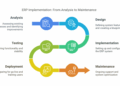
Implementing Oracle Financials in an organization is a complex process that requires careful planning and execution. It involves integrating the software into existing systems, training employees, and ensuring that the system meets the organization's financial needs.
Key Considerations for Oracle Financials Implementation
- Assessing the organization's current financial processes and identifying areas for improvement.
- Setting clear goals and objectives for the implementation project.
- Allocating sufficient resources, including time, budget, and personnel, for the implementation.
- Selecting a team of experienced professionals to lead the implementation process.
- Ensuring buy-in from key stakeholders within the organization.
Best Practices for Successful Deployment of Oracle Financials
- Conducting thorough training sessions for employees to ensure a smooth transition to the new system.
- Testing the system extensively before full deployment to identify and address any issues.
- Regularly monitoring and evaluating the system post-implementation to make necessary adjustments and improvements.
- Establishing clear communication channels for feedback and support from users.
- Engaging with Oracle support services for assistance and guidance throughout the implementation process.
Features and Capabilities of Oracle Financials

Oracle Financials provides a wide range of features and capabilities to support financial reporting, budgeting, forecasting, accounts payable, and accounts receivable processes.
Financial Reporting
Oracle Financials offers robust financial reporting tools that allow users to generate detailed and customizable reports to track and analyze financial performance. Users can easily access real-time data and create comprehensive financial statements to gain insights into the financial health of the organization.
Budgeting and Forecasting
Oracle Financials supports budgeting and forecasting processes by providing tools for creating and managing budgets, forecasting future financial performance, and analyzing variances. Users can set budget targets, track actual performance against budgeted amounts, and adjust forecasts based on changing business conditions.
Accounts Payable and Receivable
Within Oracle Financials, users can efficiently manage accounts payable and receivable processes. The platform streamlines invoice processing, payment approvals, and vendor management for accounts payable, while also offering tools for invoicing, payment tracking, and customer management for accounts receivable. Additionally, Oracle Financials integrates with other modules to ensure seamless financial transactions and accurate recording of financial data.
Integration with Other Systems

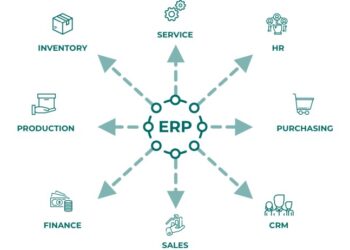
Oracle Financials is designed to seamlessly integrate with various other systems within an enterprise, enabling smooth flow of data and information across different departments. This integration plays a crucial role in enhancing operational efficiency and improving decision-making processes.
Benefits of integrating Oracle Financials with HR systems
When Oracle Financials is integrated with HR systems, organizations can achieve a unified view of employee data and financial information. This integration allows for streamlined processes related to payroll, benefits management, and employee expenses. By having a centralized system that combines financial and HR data, organizations can ensure accuracy, compliance, and efficiency in managing workforce-related costs.
- Improved Data Accuracy: Integrating Oracle Financials with HR systems reduces manual data entry errors and ensures that employee information is consistent across all platforms.
- Enhanced Reporting: By combining financial and HR data, organizations can generate comprehensive reports that provide insights into workforce costs, productivity, and performance.
- Cost Savings: Integration eliminates the need for duplicate data entry and manual reconciliation, saving time and resources for the organization.
Challenges and solutions related to integrating Oracle Financials with CRM systems
Integrating Oracle Financials with Customer Relationship Management (CRM) systems can pose challenges due to the different data structures and requirements of each system. However, with the right approach and solutions, organizations can overcome these challenges and leverage the benefits of a unified financial and customer data system.
- Data Mapping: One of the main challenges is mapping data fields between Oracle Financials and CRM systems. Organizations need to define a clear mapping strategy and ensure data consistency across both platforms.
- Integration Complexity: Integrating complex CRM systems with Oracle Financials may require specialized expertise and resources. Organizations may need to invest in integration tools or middleware to facilitate data exchange between the systems.
- Real-time Data Sync: Ensuring real-time synchronization of financial and customer data is essential for effective decision-making. Organizations should implement automated processes and workflows to keep data updated and accurate.
Conclusive Thoughts

In conclusion, Oracle Financials stands tall as a robust solution for modern financial management, seamlessly integrating with various systems and offering a plethora of features to streamline financial processes. As organizations continue to embrace Oracle Financials, they embark on a journey towards enhanced efficiency and strategic financial decision-making.
User Queries
What are the primary functions of Oracle Financials?
Oracle Financials primarily functions in financial management, handling tasks such as accounting, financial reporting, budgeting, and forecasting.
How does Oracle Financials integrate with other systems?
Oracle Financials integrates with other systems within an enterprise through APIs and connectors, ensuring smooth data flow and interoperability.
What are some key considerations for implementing Oracle Financials?
Key considerations include assessing organizational needs, data migration planning, user training, and post-implementation support.