
Delve into the world of Oracle NetSuite ERP, a robust system revolutionizing how businesses operate. From streamlined operations to efficient resource planning, this software is a game-changer for enterprises.
Overview of Oracle NetSuite ERP

Oracle NetSuite ERP is a cloud-based enterprise resource planning (ERP) software that offers a comprehensive suite of tools to help businesses manage their operations efficiently.
Core Functionalities
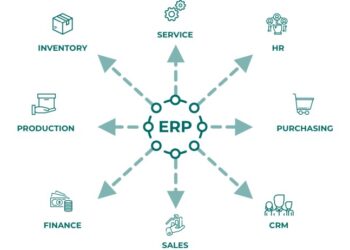
- Financial Management: NetSuite ERP provides features for managing financial processes, such as accounting, financial planning, and revenue recognition.
- Inventory Management: Businesses can streamline their inventory processes, from procurement to fulfillment, with real-time visibility.
- Order Management: NetSuite ERP enables businesses to manage their orders, sales, and returns effectively.
- CRM: Integrated customer relationship management (CRM) tools help businesses track and manage customer interactions.
Streamlining Operations
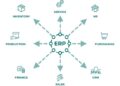
Oracle NetSuite ERP helps businesses streamline their operations by providing a centralized platform for managing various business processes. The software integrates different functions like financials, inventory, and CRM, allowing for better coordination and efficiency across departments. This streamlined approach reduces manual errors, improves data accuracy, and enhances overall productivity.
Benefits of Using Oracle NetSuite ERP
- Scalability: NetSuite ERP is scalable and can grow with your business, accommodating changes in size and complexity.
- Real-time Insights: Businesses can access real-time data and analytics to make informed decisions quickly.
- Improved Efficiency: By automating processes and providing a single source of truth, NetSuite ERP helps businesses operate more efficiently.
- Cost Savings: With cloud-based deployment, businesses can reduce IT infrastructure costs and maintenance expenses.
Implementation of Oracle NetSuite ERP

Implementing Oracle NetSuite ERP for a business involves several steps to ensure a successful integration of the system. It is important to follow best practices and address common challenges to streamline the implementation process.
Steps in Implementing Oracle NetSuite ERP
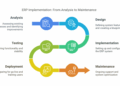
- Planning and Preparation: Define project scope, goals, and timelines. Identify key stakeholders and assemble a dedicated project team.
- Data Migration: Cleanse and migrate existing data to the NetSuite system. Ensure data accuracy and integrity.
- Configuration and Customization: Customize NetSuite to align with business processes and workflows. Configure modules based on specific business needs.
- User Training: Provide comprehensive training sessions for employees to ensure they are proficient in using the NetSuite system effectively.
- Testing and Quality Assurance: Conduct thorough testing to identify and resolve any issues or bugs before the system goes live.
- Go-Live and Support: Launch the NetSuite system and provide ongoing support to address any post-implementation issues.
Best Practices for a Successful Oracle NetSuite ERP Implementation
- Engage with key stakeholders throughout the implementation process to ensure alignment with business objectives.
- Allocate sufficient time and resources for training to maximize user adoption and system utilization.
- Regularly communicate with employees to address concerns and gather feedback for continuous improvement.
- Utilize NetSuite's professional services or certified partners for expert guidance and support during implementation.
- Establish clear project milestones and monitor progress to stay on track and address any delays promptly.
Common Challenges and Solutions during Oracle NetSuite ERP Implementation
- Resistance to Change: Address employee resistance through effective communication, training, and highlighting the benefits of the new system.
- Data Migration Issues: Conduct thorough data cleansing and validation to ensure accurate data migration.
- Lack of Expertise: Invest in training for employees or seek assistance from experienced NetSuite consultants for guidance.
- Scope Creep: Define and adhere to the project scope to prevent unnecessary customization or delays in implementation.
- Integration Challenges: Ensure seamless integration with existing systems through thorough testing and collaboration with IT teams.
Customization and Configuration in Oracle NetSuite ERP
Customization and configuration are crucial aspects of Oracle NetSuite ERP that allow businesses to tailor the system to meet their specific needs. By customizing and configuring the ERP system, companies can optimize their processes, improve efficiency, and enhance overall performance.
Process of Customizing Oracle NetSuite ERP
Customizing Oracle NetSuite ERP involves modifying the system to align with the unique requirements of a business. This process typically includes adjusting workflows, adding new fields, creating custom reports, and integrating third-party applications. Businesses can work with NetSuite consultants or in-house developers to make these customizations efficiently and effectively.
Various Configuration Options in Oracle NetSuite ERP
Oracle NetSuite ERP offers a wide range of configuration options to help businesses adapt the system to their needs. Users can customize dashboards, set up user roles and permissions, define workflows, and configure automation rules. These configuration options allow companies to streamline operations and ensure that the ERP system supports their specific business processes.
Examples of Tailoring Oracle NetSuite ERP
- A manufacturing company can customize NetSuite to track inventory levels in real-time, automate reorder processes, and generate production schedules based on demand forecasts.
- A service-based business can configure NetSuite to manage project timelines, track billable hours, and create detailed client invoices directly from the system.
- An e-commerce retailer can customize NetSuite to integrate with online sales platforms, synchronize inventory data, and automate order fulfillment processes for seamless operations.
Overall, customization and configuration play a vital role in maximizing the benefits of Oracle NetSuite ERP for businesses across various industries.
Integration Capabilities of Oracle NetSuite ERP
Oracle NetSuite ERP offers robust integration capabilities that allow seamless connectivity with other systems to enhance efficiency and streamline processes. By integrating with third-party applications, businesses can maximize the potential of NetSuite ERP and improve overall operational performance.
Integration with Third-Party Applications
Oracle NetSuite ERP supports integration with a wide range of third-party applications, including CRM systems, e-commerce platforms, and business intelligence tools. Through APIs and pre-built connectors, organizations can easily link NetSuite ERP with external software to synchronize data, automate workflows, and gain a comprehensive view of their operations.
- CRM Integration: NetSuite ERP can be integrated with popular CRM systems like Salesforce, ensuring seamless data flow between sales, marketing, and finance departments. This integration enables real-time visibility into customer interactions and enhances customer relationship management.
- E-commerce Platforms Integration: By connecting NetSuite ERP with e-commerce platforms such as Shopify or Magento, businesses can unify their online sales channels with back-end operations. This integration streamlines order processing, inventory management, and financial reporting, leading to improved customer satisfaction and operational efficiency.
- Business Intelligence Integration: Integrating NetSuite ERP with BI tools like Tableau or Power BI allows organizations to leverage advanced analytics for informed decision-making. By combining financial data from NetSuite with external sources, businesses can generate actionable insights and drive strategic growth initiatives.
Seamless integration with third-party applications is crucial for maximizing the efficiency of Oracle NetSuite ERP, as it eliminates data silos, reduces manual tasks, and enables real-time data synchronization across different systems.
Reporting and Analytics in Oracle NetSuite ERP

Oracle NetSuite ERP offers robust reporting features that allow businesses to extract valuable insights and make data-driven decisions. By leveraging reporting and analytics capabilities, businesses can optimize processes, identify trends, and improve overall performance.
Reporting Features in Oracle NetSuite ERP
- Customizable Reports: Oracle NetSuite ERP enables users to create customized reports tailored to their specific business needs.
- Real-time Data: Businesses can access real-time data to stay informed and make timely decisions.
- Dashboard Views: Users can visualize key performance indicators and metrics through interactive dashboards.
- Scheduled Reporting: Oracle NetSuite ERP allows for automated scheduling of reports to ensure timely delivery to stakeholders.
Insightful Analytics with Oracle NetSuite ERP
- Data Visualization: Businesses can leverage charts, graphs, and other visual tools to analyze data and gain insights.
- Predictive Analytics: Oracle NetSuite ERP offers predictive analytics capabilities to forecast trends and outcomes.
- Comparative Analysis: Users can compare historical data and performance metrics to track progress and identify areas for improvement.
Utilizing Reporting and Analytics for Data-Driven Decision-Making
- Strategic Planning: Businesses can use reporting and analytics to inform strategic planning and goal setting.
- Performance Monitoring: By monitoring key metrics and performance indicators, organizations can track progress towards objectives.
- Identifying Opportunities: Reporting and analytics help businesses identify opportunities for growth, cost savings, and operational efficiency.
Last Recap

In conclusion, Oracle NetSuite ERP emerges as a pivotal tool for businesses looking to enhance their efficiency and decision-making processes. With its customizable features and seamless integration capabilities, this software truly stands out in the realm of enterprise resource planning.
FAQs
How can Oracle NetSuite ERP benefit businesses?
Oracle NetSuite ERP offers core functionalities that streamline operations, helping businesses with efficient resource planning and overall improved efficiency.
What are some best practices for implementing Oracle NetSuite ERP?
Successful implementation involves thorough planning, training, and data migration. It's essential to involve key stakeholders and ensure proper customization.
How can businesses tailor Oracle NetSuite ERP to their specific needs?
Customization options in Oracle NetSuite ERP allow businesses to adapt the software to their unique requirements, ensuring a tailored solution for their operations.
What reporting features are available in Oracle NetSuite ERP?
Oracle NetSuite ERP provides robust reporting capabilities, enabling businesses to generate insightful analytics for data-driven decision-making.
How does Oracle NetSuite ERP integrate with other systems?
The software offers seamless integration with third-party applications, enhancing overall efficiency and maximizing the benefits of Oracle NetSuite ERP.