
Delve into the realm of Retail ERP, a vital tool transforming the retail landscape. This guide promises to enlighten you on the key aspects, benefits, and challenges associated with Retail ERP systems, offering a unique and insightful perspective on the subject.
Explore the intricacies of Retail ERP implementation, integration with other systems, customization, and scalability, as we unravel the complexities of this innovative technology reshaping the retail industry.
Overview of Retail ERP
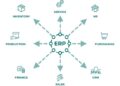
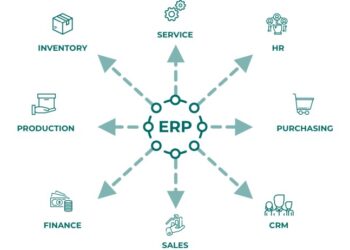
Retail ERP, or Enterprise Resource Planning specifically designed for retail businesses, is a software solution that integrates various functions and processes within a retail organization into a single system. It helps manage operations efficiently and effectively by providing real-time data and insights for decision-making.
Key Features and Benefits of Retail ERP
- Inventory Management: Retail ERP helps in tracking and managing inventory levels, reducing stockouts, and optimizing order fulfillment.
- Sales and Customer Management: It enables retailers to analyze customer behavior, preferences, and purchase history to personalize marketing strategies and improve customer satisfaction.
- Financial Management: Retail ERP streamlines financial processes such as accounting, budgeting, and reporting, ensuring accurate and timely financial information.
- Supply Chain Management: It enhances supply chain visibility, collaboration with suppliers, and demand forecasting to minimize costs and improve efficiency.
How Retail ERP Streamlines Operations
- Centralized Data: Retail ERP centralizes data from various departments, eliminating data silos and ensuring consistency across the organization.
- Automation: By automating repetitive tasks and workflows, Retail ERP reduces manual errors and saves time, allowing employees to focus on strategic activities.
- Analytics and Reporting: Retail ERP provides advanced analytics and reporting capabilities, enabling retailers to gain insights into performance metrics, trends, and opportunities for improvement.
Implementation of Retail ERP
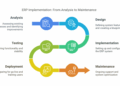
Implementing a Retail ERP system in a retail business is a crucial process that requires careful planning and execution. It involves integrating the software into the existing operations to streamline processes, improve efficiency, and enhance customer experience.
Selecting the Right Retail ERP Software
When selecting the right Retail ERP software for a specific retail operation, consider the following steps:
- Identify your business needs and objectives to determine the features and functionalities required in the ERP system.
- Research and compare different Retail ERP solutions available in the market to find one that aligns with your business requirements.
- Consider factors such as scalability, ease of use, customization options, and vendor support before making a decision.
- Request demos and trial versions of the software to test its usability and compatibility with your business processes.
- Seek feedback from other retailers who have implemented the same ERP software to gain insights into its effectiveness.
Challenges and Best Practices in Retail ERP Implementation
Implementing Retail ERP comes with its own set of challenges and best practices:
- Challenge: Resistance to change from employees who are used to traditional methods of operation.
- Best Practice: Provide comprehensive training and support to employees to ensure a smooth transition to the new system.
- Challenge: Data migration and integration with existing systems can be complex and time-consuming.
- Best Practice: Plan and execute data migration in phases to minimize disruptions and ensure data accuracy.
- Challenge: Ensuring the security and confidentiality of sensitive business data stored in the ERP system.
- Best Practice: Implement robust security measures, such as access controls and encryption, to protect data from unauthorized access.
Integration with Other Systems
Integrating Retail ERP with other systems like POS, inventory management, and CRM is crucial for the seamless operation of a retail business
Benefits of Seamless Integration
- Efficient Data Management: Integration ensures that all systems are updated in real-time, reducing errors and duplication of data.
- Improved Customer Experience: By integrating CRM with Retail ERP, businesses can access customer data easily, personalize interactions, and provide better service.
- Optimized Inventory Control: Connecting inventory management systems with Retail ERP helps in maintaining accurate stock levels, reducing out-of-stock situations, and optimizing inventory turnover.
- Enhanced Decision-Making: Seamless integration allows for better analysis of data across systems, enabling retailers to make informed decisions quickly.
Strategies for Smooth Data Flow
- Choose Compatible Systems: Ensure that the systems you are integrating are compatible with each other to avoid technical glitches.
- Establish Data Mapping: Create a clear data mapping strategy to define how information flows between systems and ensure consistency.
- Regular Monitoring and Maintenance: Regularly monitor the integration process, conduct system checks, and address any issues promptly to maintain smooth data flow.
- Employee Training: Train your staff on how to use the integrated systems effectively to maximize the benefits of integration.
Customization and Scalability

Customization and scalability are crucial aspects of a Retail ERP system that can greatly impact a business's operations and growth. Let's delve into the options available for customization and how Retail ERP solutions can adapt to the changing needs of a retail business.
Customization Options
When it comes to customizing a Retail ERP system, businesses have a range of options to tailor the software to their specific needs. This can include modifying workflows, adding new modules, integrating third-party applications, and creating personalized reports. By customizing the system, businesses can optimize processes, improve efficiency, and meet unique requirements.
Scalability of Retail ERP Solutions
Retail ERP solutions are designed to be scalable, meaning they can easily grow and adapt alongside a retail business. As the business expands, the system can accommodate a larger number of users, transactions, and data volume without compromising performance. Scalability ensures that the Retail ERP system remains effective and efficient even as the business evolves.
Importance of Choosing a Flexible Retail ERP System
It is essential for businesses to select a flexible Retail ERP system that can evolve with changing requirements. A system that is agile and adaptable can easily incorporate new features, functionalities, and integrations as the business grows or industry trends shift.
Choosing a flexible Retail ERP system ensures long-term viability and helps future-proof the business against technological advancements.
Final Conclusion

In conclusion, Retail ERP stands as a beacon of efficiency and optimization in the retail sector. Embracing this technology can pave the way for enhanced operations, seamless integration, and scalable solutions, ensuring sustainable growth and success for retail businesses.
Query Resolution
How can Retail ERP benefit a retail business?
Retail ERP enhances operational efficiency, streamlines processes, and provides valuable insights for informed decision-making.
What are the key features of Retail ERP systems?
Key features include inventory management, sales tracking, financial analysis, and customer relationship management.
What challenges are typically faced during Retail ERP implementation?
Challenges may include data migration issues, staff training requirements, and system compatibility issues.