
As unif erp takes center stage, this opening passage beckons readers into a world crafted with good knowledge, ensuring a reading experience that is both absorbing and distinctly original.
Unif ERP is a powerful tool used by various industries to streamline business processes and enhance efficiency. In this overview, we will delve into its key features, implementation strategies, customization options, and training programs available.
Introduction to Unif ERP

Unif ERP, short for Enterprise Resource Planning, is a software system that integrates various business processes and functions into a single platform. It helps organizations streamline their operations, improve efficiency, and make data-driven decisions.
Primary Functions of Unif ERP
- Financial Management: Unif ERP helps manage financial processes such as accounting, budgeting, and financial reporting.
- Inventory Management: It enables businesses to track and manage inventory levels, orders, and supply chain processes.
- Human Resource Management: Unif ERP assists in managing employee data, payroll, benefits, and performance evaluations.
- Supply Chain Management: It optimizes supply chain processes, including procurement, production planning, and logistics.
Common Industries or Businesses Using Unif ERP
- Manufacturing: Companies in the manufacturing industry use Unif ERP to streamline production processes, manage inventory, and improve resource planning.
- Retail: Retail businesses utilize Unif ERP for inventory management, sales tracking, and customer relationship management.
- Services: Service-based industries leverage Unif ERP for project management, resource allocation, and financial tracking.
Benefits of Implementing Unif ERP
- Improved Efficiency: Unif ERP automates repetitive tasks, reduces manual errors, and enhances overall operational efficiency.
- Enhanced Decision Making: With real-time data and insights, organizations can make informed decisions quickly and effectively.
- Cost Savings: By streamlining processes and optimizing resource allocation, Unif ERP helps reduce operational costs and improve profitability.
- Scalability: Unif ERP can scale with the growth of a business, providing flexibility and adaptability to changing business needs.
Key Features of Unif ERP

Unif ERP offers a wide range of core features that are essential for efficient business operations. Let's explore some of the key features below:
1. Integrated System
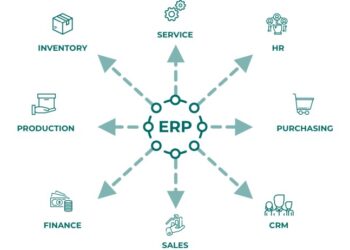
- Unif ERP integrates various business functions such as finance, HR, sales, and inventory management into one cohesive system.
- This integration eliminates the need for separate software for different departments, leading to better communication and data accuracy.
2. Customizable Dashboards
- Users can customize their dashboards to display relevant information and KPIs, providing a real-time overview of the business performance.
- Customizable dashboards enhance decision-making processes and allow users to focus on key metrics.
3. Automated Workflows
- Unif ERP automates repetitive tasks and workflows, reducing manual errors and saving time for employees.
- Automated workflows ensure consistency and efficiency in business processes, improving overall productivity.
4. Reporting and Analytics
- The system offers robust reporting and analytics tools that enable users to generate custom reports and gain valuable insights into business performance.
- Advanced analytics help in identifying trends, forecasting future outcomes, and making informed decisions.
5. Scalability and Flexibility
- Unif ERP is designed to grow with the business, offering scalability to accommodate changing needs and requirements.
- The system is flexible and can adapt to different industries and business models, making it suitable for a wide range of organizations.
Implementation of Unif ERP

Implementing Unif ERP in an organization is a crucial process that requires careful planning and execution to ensure a successful outcome. Below are the key steps involved in implementing Unif ERP, along with best practices and common challenges faced during the process.
Steps in Implementing Unif ERP
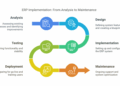
- Conduct a thorough assessment of the organization's current processes and requirements to determine the scope of the implementation.
- Develop a detailed implementation plan that Artikels timelines, milestones, and responsibilities for each phase of the project.
- Customize the Unif ERP system to align with the organization's specific needs and workflows.
- Provide comprehensive training to employees at all levels to ensure they are proficient in using the new system.
- Perform rigorous testing to identify and resolve any issues before fully deploying the Unif ERP system.
- Gradually roll out the new system in phases to minimize disruptions to daily operations.
- Monitor the system post-implementation to address any issues that may arise and ensure optimal performance.
Best Practices for Successful Unif ERP Implementation
- Engage stakeholders from different departments early on in the process to gather input and ensure buy-in for the new system.
- Allocate sufficient resources, including time, budget, and personnel, to support the implementation project effectively.
- Communicate regularly with employees about the upcoming changes, addressing any concerns and providing updates on the progress.
- Partner with experienced consultants or vendors who have a track record of successful ERP implementations.
- Establish key performance indicators (KPIs) to measure the effectiveness of the Unif ERP system post-implementation.
Common Challenges and How to Overcome Them
- Resistance to change: Address this by clearly communicating the benefits of the new system and involving employees in the decision-making process.
- Data migration issues: Mitigate this challenge by thoroughly cleaning and validating data before transferring it to the new system.
- Lack of training: Ensure comprehensive training programs are in place to equip employees with the necessary skills to use the Unif ERP system effectively.
- Poor project management: Overcome this by assigning a dedicated project manager to oversee the implementation and ensure all tasks are completed on time.
- Integration complexities: Work closely with IT teams and vendors to streamline the integration process and resolve any compatibility issues.
Customization and Integration with Unif ERP
When it comes to customizing Unif ERP to meet specific business needs, there are several options available that can enhance the functionality of the system. Additionally, integrating Unif ERP with third-party applications can further optimize processes and improve overall efficiency.
Customization Options for Unif ERP
- Customizable Dashboards: Businesses can tailor the dashboards in Unif ERP to display relevant information and key performance indicators based on their specific requirements.
- Workflow Customization: Users have the ability to customize workflows within Unif ERP to align with their unique business processes, ensuring smooth operations.
- Field Customization: Companies can add or modify fields within Unif ERP to capture data that is specific to their industry or organization.
Third-Party Integrations for Unif ERP
- Integration with CRM Systems: Connecting Unif ERP with Customer Relationship Management (CRM) systems like Salesforce or HubSpot can streamline sales and customer management processes.
- Integration with E-Commerce Platforms: Integrating Unif ERP with e-commerce platforms such as Shopify or Magento can automate order processing and inventory management.
- Integration with Business Intelligence Tools: By integrating Unif ERP with BI tools like Tableau or Power BI, businesses can gain valuable insights and make data-driven decisions.
Data Integration Importance in Unif ERP
Data integration plays a crucial role when using Unif ERP across multiple departments. It ensures that information flows seamlessly between various modules and departments, eliminating silos and promoting collaboration. With integrated data, businesses can make informed decisions, improve accuracy, and enhance overall operational efficiency.
Training and Support for Unif ERP

Training and support are crucial components for ensuring the successful implementation and utilization of Unif ERP within an organization. Effective training programs and ongoing support play a key role in maximizing the benefits of Unif ERP and empowering users to leverage its full potential.
Training Programs for Users
- Initial Training Sessions: Upon implementation, users should undergo comprehensive training sessions to familiarize themselves with the features and functionalities of Unif ERP.
- Role-Based Training: Tailored training programs based on the roles and responsibilities of users within the organization help in enhancing their specific skills and knowledge.
- On-Demand Training: Providing access to on-demand training materials, tutorials, and resources enables users to learn at their own pace and convenience.
Ongoing Support for Maintenance and Optimization
- Help Desk Support: A dedicated help desk or support team should be available to address any queries, issues, or technical challenges that users may encounter while using Unif ERP.
- Software Updates: Regular software updates and maintenance ensure that Unif ERP remains up-to-date, secure, and optimized for performance.
- Continuous Monitoring: Monitoring the usage and performance of Unif ERP helps in identifying areas for improvement and optimization to enhance overall efficiency.
Tips for Maximizing Benefits
- Encourage Continuous Learning: Promote a culture of continuous learning and skill development among users to ensure they stay updated with the latest features and best practices of Unif ERP.
- Utilize Training Resources: Encourage users to make use of all available training resources, such as user manuals, online tutorials, and training sessions, to enhance their proficiency in using Unif ERP.
- Feedback and Improvement: Regularly gather feedback from users to identify areas for improvement in training programs and support services, ensuring that users are equipped to maximize the benefits of Unif ERP effectively.
Ultimate Conclusion
In conclusion, Unif ERP stands as a valuable asset for businesses seeking to optimize operations and drive growth. By understanding its core features, implementation process, and training opportunities, companies can leverage the full potential of this innovative solution to achieve success in today's competitive landscape.
Clarifying Questions
What industries commonly use Unif ERP?
Unif ERP is commonly used in industries such as manufacturing, retail, healthcare, and finance.
How does Unif ERP help in streamlining business processes?
Unif ERP automates tasks, centralizes data, and provides real-time insights to improve operational efficiency.
What are the best practices for a successful Unif ERP implementation?
Best practices include thorough planning, stakeholder engagement, training programs, and ongoing support.
Why is data integration important when using Unif ERP across multiple departments?
Data integration ensures seamless communication and a unified view of information for better decision-making.
What training programs are available for users to learn how to use Unif ERP effectively?
Training programs range from basic user tutorials to advanced courses tailored to specific business needs.